

Have you seen the word serlig on a product page or in a search result and wondered what it actually means?
In most U.S. shopping contexts, serlig is best treated as a typo, shorthand, or loose label around sterling silver, not a formal material standard. That is good news, because sterling silver has a clear definition, clear markings, and clear care rules.
I’ll walk you through what to check, how people use it, why buyers like it, and how to wear it safely in daily life.
What is Serlig and How Does It Work?
If you want the short answer, serlig is not a formal U.S. jewelry grade. Online, it shows up as a typo, a loose label, and sometimes a simplified spelling of the Scandinavian word særlig, which means something like “special” or “particular.”
For shoppers, the useful meaning is usually sterling silver. In the United States, the FTC says the words silver, sterling, and sterling silver should describe items that contain at least 92.5% pure silver, which is why the number 925 matters so much.
If a listing says serlig but never says sterling, 925, or silver-plated, pause before you buy.
Jewelers of America notes that common sterling marks include 925, .925, 92.5, and Ster. FTC consumer advice also says a silver quality mark should be backed by the company name or a registered trademark so that extra identifier is a smart trust check.
| Term you may see | What it usually means | Why it matters |
|---|---|---|
| Serlig | Informal or mistaken wording | You need more detail before you trust the listing |
| Sterling silver | At least 92.5% pure silver | This is the real U.S. quality standard |
| 925 | Purity mark for sterling standard | Fast first check for authenticity |
| Silver-plated | Base metal with a silver coating | Usually lower cost, but wears very differently |
Common Uses of Serlig
The practical applications of serlig become much clearer once you treat it as a silver term instead of a mystery buzzword. In real life, that means jewelry, gifts, product listings, and online catalogs where material quality affects price, care, and customer trust.
How Is Serlig Used in Project Management?
For a jewelry business, project management starts with naming the material correctly. A team should decide early whether a piece is sterling silver, silver-plated, or vermeil, then use that same wording in sourcing, packaging, product pages, and customer support.
That small step prevents expensive confusion. It also makes internal planning easier because your buyer, photographer, copywriter, and support team are all working from the same truth.
- Sourcing: Confirm 925 purity and seller documentation before launch.
- Cataloging: Label pieces as sterling, plated, or vermeil, not just silver tone.
- Packaging: match the care card to the actual metal and finish.
- Support: prepare simple answers about tarnish, skin sensitivity, and cleaning.
How Does Serlig Support Digital Transformation?
In the digital age, clear material data improves your digital experiences and cuts down on bad clicks. Google’s Merchant product data includes a material field, so exact terms like “sterling silver,” “vermeil,” or “silver-plated” are far more useful than vague phrases like serlig style” or “silver look.”
If you want gold color without solid gold pricing, “vermeil” is a name worth knowing. FTC consumer guidance defines vermeil as gold plating over a sterling silver base, which gives buyers a precious-metal core instead of an ordinary base metal underneath.
| Vague wording | Better wording | Why the better wording wins |
|---|---|---|
| Serlig necklace | 925 sterling silver necklace | Tells shoppers the actual metal |
| Gold silver ring | Gold vermeil ring on sterling silver | Explains both color and base material |
| Silver fashion bracelet | Silver-plated bracelet | Sets the right care and wear expectations |
How Does Serlig Help with Resource Optimization?
Sterling silver also supports smarter buying because it is maintainable. Tarnish is usually a surface problem, so a piece can often be polished, cleaned, repaired, and kept in use much longer than disposable fashion jewelry.
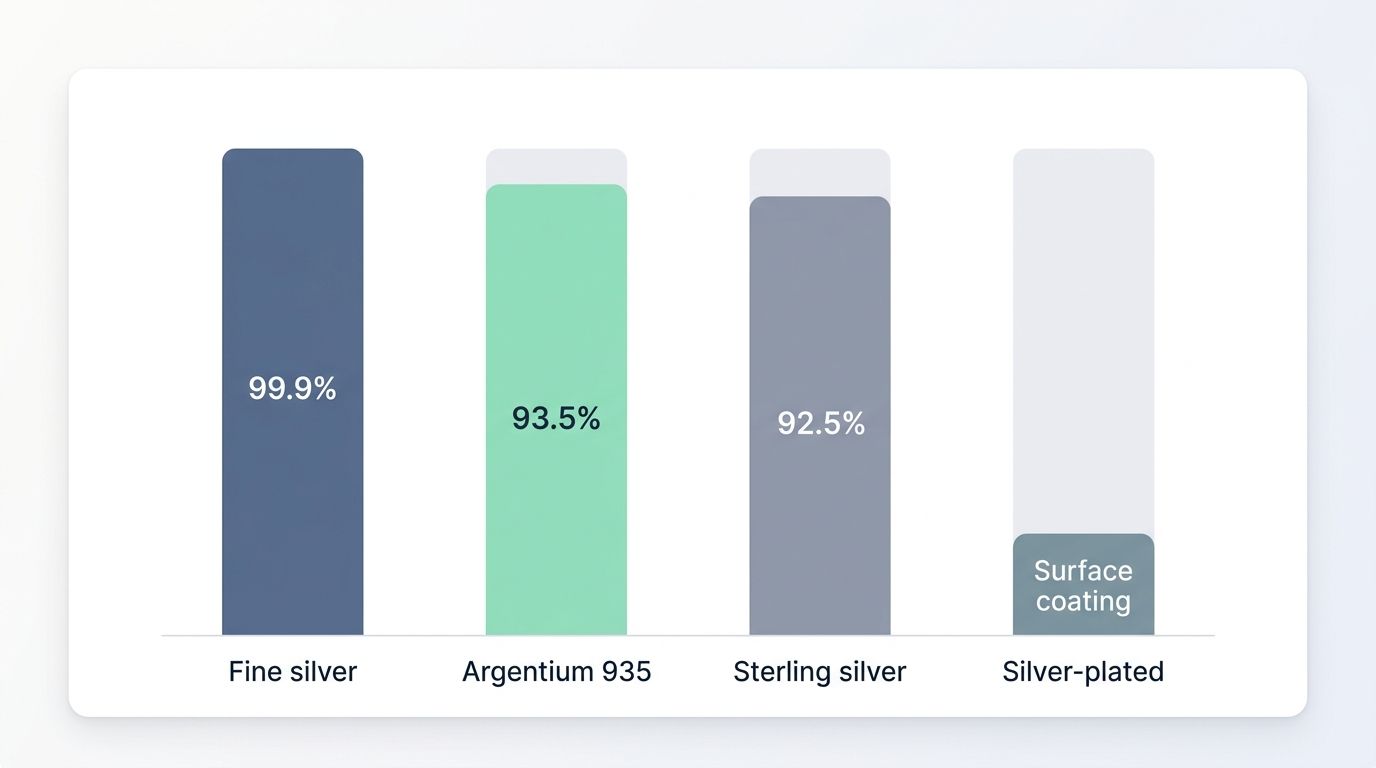
If low maintenance matters, look at Argentium. The official Argentium Guild lists Argentium 935 at a minimum silver content of 93.5%, and the alloy uses germanium to improve tarnish resistance, which can cut down on polishing for daily wear pieces.
- Choose standard sterling for classic value and wide design choice.
- Choose Argentium if you want less upkeep and a brighter finish for longer.
- Choose silver-plated pieces only if short-term style matters more than long-term wear.
What Are the Benefits of Using Serlig?
The benefits of serlig are easy to see once you switch from fuzzy wording to real material facts. Sterling silver gives you a precious-metal look, everyday wearability, and a finish that can usually be revived with basic care.
That is the real power of serlig in daily life. You get something that feels more substantial than costume jewelry without moving into gold or platinum pricing.
| Option | Typical silver content | Best fit | Main trade-off |
|---|---|---|---|
| Fine silver | 99.9% | Low-wear or artisan pieces | Softer and easier to bend |
| Sterling silver | 92.5% | Everyday jewelry | Tarnishes faster than fine silver |
| Argentium 935 | 93.5% | Lower-maintenance daily wear | Often costs more than standard sterling |
| Silver-plated | Surface coating only | Trend pieces and tight budgets | The top layer can wear away |
- Better everyday strength: sterling is alloyed for durability, while fine silver is too soft for many daily-wear designs.
- Clear quality signal: the 925 mark gives you a fast way to judge what you are buying.
- Easy upkeep: Jewelers of America notes that sterling can tarnish, but it does not rust, and regular polishing can restore the shine.
- Design flexibility: rings, chains, charms, hoops, and engraved gifts all work well in sterling.
- Better long-term value than plated fashion pieces: you are buying a real silver alloy, not just a thin top layer.
If you are shopping for a gift, sterling is also easier to explain and easier to trust. A clear stamp, a known seller, and simple care instructions remove a lot of guesswork.
What Safety Precautions Should You Take When Using Serlig?
Most people can wear sterling silver safely, but safety depends on the actual metal mix, your skin sensitivity, and how you care for the piece. This is where a little checking upfront saves a lot of trouble later.
The American Academy of Dermatology notes that nickel allergy affects more than 18% of people in North America. If your skin reacts easily, look for pure sterling silver or nickel-free findings, and ask specifically about posts, backs, clasps, and plated parts.
- Check the mark before you wear it. Look for “925,” “.925,” “92.5,” “Ster,” or “Sterling,” and make sure the seller clearly identifies the piece.
- Remove it before pools, hot tubs, and bleach. Chlorine and harsh chemicals can damage silver and dull the finish.
- Put jewelry on last. Perfume, hairspray, lotion, and makeup can speed up buildup and tarnish.
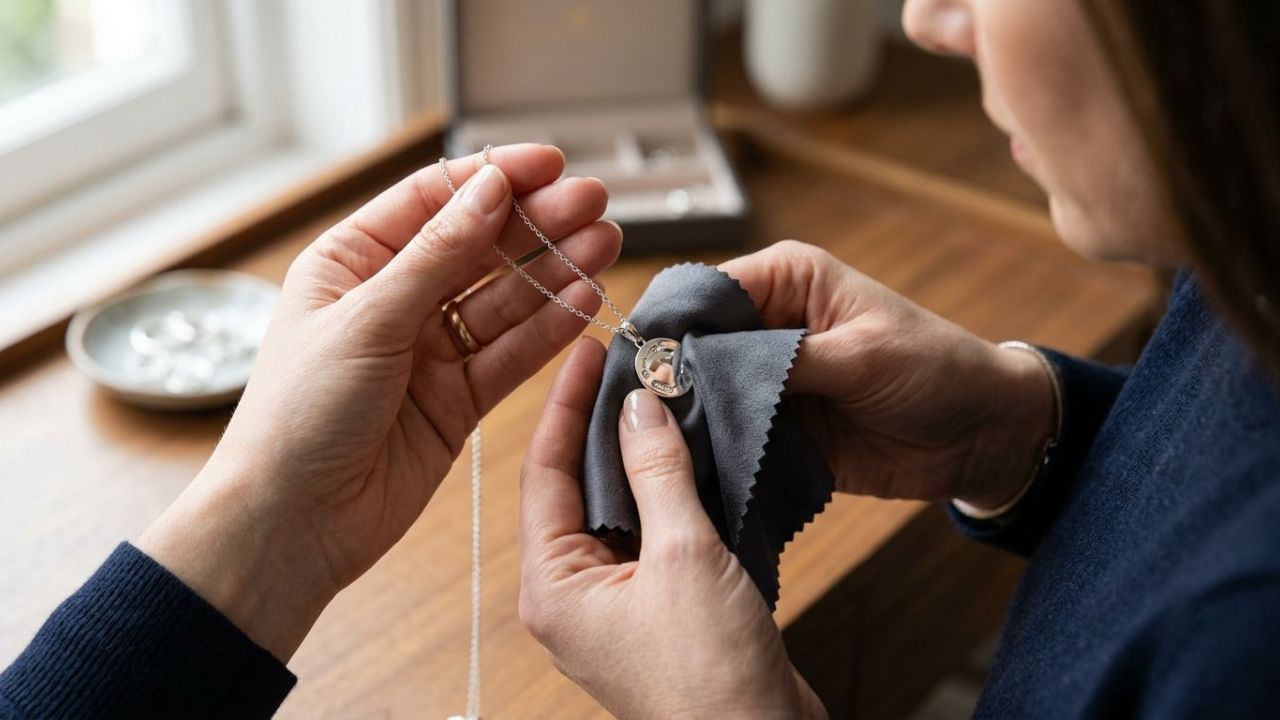
- Clean gently. Use mild soap, lukewarm water, and a soft cloth, then dry the piece fully before storing it.
- Store it dry and separate. A pouch or airtight bag helps slow tarnish and reduces scratches from metal rubbing on metal.
- Inspect wear points often. Clasps, chains, posts, and soldered joints deserve a closer look, especially on pieces you wear every day.
Tarnish is annoying, but a rash is a different issue. If your skin keeps reacting, stop wearing the piece and ask exactly what every contact point is made from.
One more useful habit: have frequently worn pieces professionally checked once a year. Jewelers of America recommends annual cleaning for silver jewelry, and that visit can catch loose parts before they become a lost earring or a broken chain.
How Can You Implement Serlig Effectively?
If you want serlig to mean something useful in daily life, turn it into a simple buying and care system. The goal is clarity, not jargon.
- Start with purpose. Decide if you want an everyday piece, an occasional piece, a gift, or a product line for resale.
- Read the title and specs closely. Look for sterling silver, 925, vermeil, or silver-plated and do not rely on photos alone.
- Check who stands behind the claim. A quality mark is stronger when it comes from a seller with a clear brand identity and return policy.
- Ask about skin-contact parts. If you have sensitive skin, ask about earring posts, jump rings, clasps, and any plating or coatings.
- Build a 60-second care routine. Wipe the piece after wear, keep it dry, store it separately, and take it off before swimming or cleaning.
- Use one naming system everywhere. If you sell online, keep the same material wording across your website, marketplaces, packaging, and social media posts.
I have found that buyers feel much more confident when a product page answers three questions fast: what metal is it, what is stamped on it, and how should I care for it?
That is also how the future of serlig gets less fuzzy. Clear naming turns a confusing search term into a confident buying decision.
Final Words
Serlig is best treated as a context clue, not a formal standard. If the topic is jewelry, the term that matters is sterling silver, which means at least 92.5% pure silver and usually appears with a 925 mark.
That makes serlig easier to shop for and safer to wear. Check the markings, ask about nickel if your skin is sensitive, and use simple care habits so your pieces keep their shine.
Frequently Asked Questions (FAQs) on Serlig
1. What exactly is Serlig?
Serlig is a platform, a simple space in a busy digital world. This definition helps with understanding what serlig, it represents a pause, and it encourages individuals to step back.
2. How does Serlig help users?
Serlig provides knowledge and clear information. It allows users to find content that helps, and platforms allow calm, focused time.
3. Is Serlig just a buzzword?
No, serlig isn’t just a buzzword. In the right context, it has real value and has transformed how we communicate.
4. Is Serlig safe?
Yes, with care. Watch for common pitfalls as technology advances; they can trap you, but use serlig to provide deeper knowledge and build healthier habits and a better relationship with technology.
5. How do I use Serlig in my day?
Start with practical tips, try integrating serlig in small steps, and embrace this concept casually. Be free from screens sometimes; use this time for going outside, and keep prioritizing real-world people and the world around us. Individuals can foster better ties.
6. What is the future of Serlig?
The future of serlig is bright, even in today’s fast-paced, increasingly digital landscape. As serlig becomes more common, people can navigate the complexities of a relentless digital life amidst constant connectivity.