
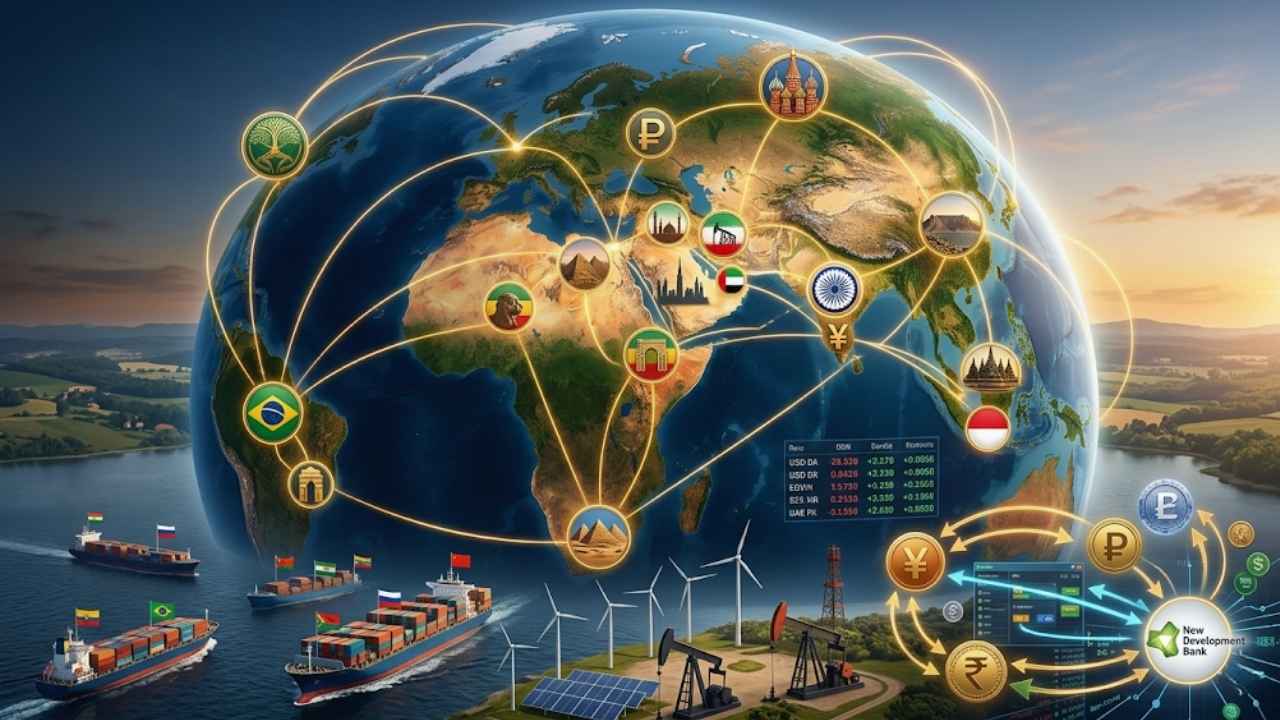
If you want to understand where global money and power are heading right now, you need to look directly at the rising economies of the Global South. The world is shifting away from the old systems built entirely around Western rules and institutions, bringing a massive collective voice speaking up for emerging markets.
These nations are no longer asking for permission; they are demanding a seat at the big table and creating their own chairs when denied. Having the BRICS alliance explained is the perfect starting point to grasp this completely new geopolitical reality taking shape. In this piece, I will break down exactly how an original group of just five nations grew into an eleven-member powerhouse by 2026.
You will see exactly what this bloc wants, how it operates on a daily basis, and why it matters to everyday people and international markets alike. Understanding this shift is no longer optional for anyone watching international trade or managing global supply chains. We are witnessing the foundation of a parallel global economy being built in real time by countries that control the majority of human population and natural resources.
|
Alliance Milestone |
Year |
Core Action Taken |
Global Impact Level |
|
Initial Concept |
2001 |
Economist coins the term |
Theoretical framework created |
|
First Formal Summit |
2009 |
Leaders meet in Russia |
Diplomatic bloc established |
|
South Africa Joins |
2010 |
Expansion to African continent |
True global representation begins |
|
Massive Expansion |
2024 to 2025 |
Six new member nations added |
Control over global energy markets |
The Origins and Evolution of the Bloc
Back in 2001, a British economist named Jim O’Neill came up with a catchy acronym to group together the high-growth developing economies of the world. He originally saw Brazil, Russia, India, and China as the future absolute engines of global growth. This was just a concept on paper at first, mostly used by Wall Street bankers to sell emerging market investment funds to their wealthy clients. But the idea quickly caught fire among the actual politicians in those specific countries. By 2006, diplomats from these four nations began holding formal, quiet meetings on the sidelines of the UN General Assembly in New York. They realized they shared common grievances about how the United States and Europe dictated global trade policies.
This casual diplomatic chatting led to the very first official summit in Yekaterinburg, Russia, during the summer of 2009. The leaders realized they had something incredibly real on their hands and decided to turn an economic theory into a working diplomatic bloc. The global financial crisis of 2008 served as a massive wake-up call for these developing nations. They watched Western banking systems collapse and realized they needed to build their own economic safety nets rather than relying entirely on the dollar.
In 2010, the group invited South Africa to officially join the party. This was a brilliant strategic move because it gave the bloc a true, legitimate presence on the African continent. The name officially changed to BRICS. For over a full decade, these five nations worked together closely to build solid alternatives to Western-led financial systems. They set up their own massive development bank and started heavily coordinating their voting power in the United Nations. But the biggest shift happened just recently when the group realized it needed far more voices to truly represent the entire Global South.
Who Are the Current BRICS Members in 2026?
Many people still mistakenly think this group only has five members, but that old roster is completely outdated and no longer reflects their true global reach. The alliance realized a few years ago that staying small meant severely limiting its influence in critical regions like the Middle East and Southeast Asia. The leadership made a historic and calculated decision to open the doors, letting in new countries that bring serious weight in terms of population, resources, and geography.
By looking closely at the 2026 lineup, you can clearly see how the bloc has strategically positioned itself across every major global trade route and energy chokepoint. If you ever wanted the BRICS alliance explained simply, looking at the massive economic footprint of the current members tells you everything about their ambition. They are systematically building a network that covers the most critical emerging consumer markets on the planet.
From the oil fields of the Arabian Peninsula to the tech manufacturing hubs of Asia, the membership now reflects a complete cross-section of the future global economy. This strategic expansion proves they are serious about replacing the old unipolar system with a much more diverse distribution of power.
|
Member Nation |
Membership Status |
Regional Focus |
Key Economic Contribution |
|
China and India |
Founding Members |
Asia |
Massive populations and manufacturing |
|
Russia and Brazil |
Founding Members |
Eurasia and Latin America |
Agriculture and vast energy exports |
|
South Africa |
Founding Member |
Southern Africa |
Mining and continental gateway |
|
Saudi Arabia, UAE, Iran |
Joined in 2024 |
Middle East |
Total dominance of global oil markets |
|
Egypt and Ethiopia |
Joined in 2024 |
North and East Africa |
Control of the Suez Canal and high growth |
|
Indonesia |
Joined in 2025 |
Southeast Asia |
Critical minerals like nickel and huge population |
The 11 Full Member States
The founding five members still hold a massive amount of influence and veto power inside the group today. Brazil, Russia, India, China, and South Africa laid the hard groundwork, wrote the original charters, and funded the initial banking institutions. But the historic 2024 expansion completely changed the entire global game. The group brought in Egypt and Ethiopia, securing a massive, undeniable presence in Africa and strategic control near the Suez Canal shipping lanes. They also boldly added Iran, Saudi Arabia, and the United Arab Emirates. This specific, aggressive move pulled in some of the biggest oil and gas producers on the planet. Suddenly, the bloc had direct, hands-on control over a huge chunk of the global energy supply.
Then came the latest major addition to the roster. In January 2025, Indonesia officially joined as a full-fledged member. This was a massive geopolitical milestone because it finally brought heavy Southeast Asian representation into the fold. Indonesia boasts a massive, young population and a booming economy driven entirely by critical tech minerals like nickel, which is essential for electric vehicle batteries. With 11 full members operating together in 2026, the group now represents a completely different scale of raw power. These nations combined hold incredible leverage over global supply chains, international shipping lanes, and raw natural resources that the West desperately needs.
The New Partner Country Status
The biggest problem the bloc faced after the massive 2024 expansion was simply way too much global demand. Dozens of smaller nations formally applied to join because they wanted fast access to cheap development finance and wanted to strictly hedge their bets against Western sanctions. To manage this massive rush at the door, the leaders created a brand new two-tier system at their recent summits. They established an official partner country status. This brilliant workaround lets nations participate in trade agreements and development talks without getting full voting rights right away, keeping the core decision-making process relatively streamlined.
By early 2026, the official partner list includes fast-growing countries like Malaysia, Nigeria, Kazakhstan, and Uganda. These specific partner countries actively use this status to rapidly diversify their trade networks and aggressively reduce their historical dependence on the US dollar. We also see a long list of ongoing candidate nations waiting patiently in the wings. Major regional players like Bangladesh and Turkey are actively engaging with the bloc on a daily basis. They view this specific group as a highly safe space to build lucrative economic ties without having to align perfectly with either Washington or Beijing diplomatically.
The Core Objectives of BRICS
You might naturally wonder what all these completely different countries actually agree on behind closed doors. The honest truth is they do not share the same domestic politics, but they do share the exact same deep frustration with the current global financial system. They strongly feel that institutions like the International Monetary Fund and the World Bank are fundamentally rigged to favor the United States and Europe at their expense.
Getting the core goals of the BRICS alliance explained is surprisingly easy once you understand their overwhelming desire for absolute financial independence. They want to create a genuinely fair playing field where developing nations can get massive infrastructure loans without being forced to change their internal laws or political structures. Beyond just banking, they are actively building diplomatic frameworks to protect themselves from sudden economic sanctions or trade embargoes.
Their ultimate goal is not necessarily to destroy the West, but to ensure they have a fully functional alternative system ready to go. They are writing a new rulebook for international trade that prioritizes state sovereignty and mutual economic benefit over forced ideological alignment.
|
Primary Objective |
Action Mechanism |
Real World Application |
Target Outcome for 2026 |
|
Financial Independence |
New Development Bank (NDB) |
Funding local infrastructure |
Surpass World Bank lending in the Global South |
|
Trade De-dollarization |
Local currency trade settlements |
Paying for oil in Yuan or Rupees |
Drastically reduce reliance on the US Dollar |
|
Sanction Protection |
Alternative payment systems |
Bypassing the SWIFT network |
Secure cross-border digital financial transactions |
|
Global Representation |
UN Security Council lobbying |
Demanding permanent seats |
Achieve a multipolar global power dynamic |
Reforming Global Financial Systems
For several decades, developing nations had to essentially beg Western institutions for money to build essential roads, bridges, and power plants. These structural loans always came with incredibly strict, heavy-handed political conditions attached to them. The bloc decided to permanently fix this massive power imbalance by officially launching the New Development Bank. This massive bank operates directly out of Shanghai and actively funds sustainable development projects entirely across the Global South. The absolute best part for these emerging countries is that the bank explicitly does not dictate how they should run their local governments or manage their internal human rights policies.
It strictly focuses on pure economic growth, green energy, and hard infrastructure. This highly pragmatic approach has made the New Development Bank incredibly popular among emerging markets seeking fair, no-strings-attached financial partnerships. Alongside the bank, they also created the Contingent Reserve Arrangement. This acts as a massive emergency pile of cash that member nations can instantly tap into if they face a sudden currency crisis. It completely frees them from having to ask the International Monetary Fund for a highly restrictive bailout.
The Push for De-dollarization
Right now, the United States dollar almost completely dominates everyday global trade. If Brazil wants to buy standard agricultural goods from India, they usually have to painfully convert their local money into dollars first, losing money on exchange fees. The bloc desperately wants to change this entirely. They are aggressively pushing to permanently reduce their deep reliance on the American dollar to explicitly protect themselves from unpredictable US sanctions and aggressive tariffs. They openly call this movement de-dollarization.
The daily mechanics are actually pretty straightforward in practice. Member countries are actively setting up bilateral systems to trade directly in their own local currencies. If China buys crude oil from Saudi Arabia today, they increasingly want to pay in Chinese yuan instead of American dollars. In 2026, India is taking this a massive step further by focusing heavily on creating highly interoperable digital payment networks. This specific consumer tech lets member countries completely bypass traditional Western banking systems like SWIFT altogether. It makes international trade incredibly faster, much cheaper, and totally independent of strict Western financial oversight.
Building a Multipolar World Order
The old, traditional way of running the world meant one or two massive superpowers essentially called all the major shots for everyone else. A multipolar world simply means having many different, distinct centers of regional power that actively balance each other out safely. The bloc fiercely advocates for exactly this kind of global setup. They deeply want the United Nations, and especially the highly exclusive UN Security Council, to accurately reflect the actual world as it exists today, not as it was immediately after World War II.
They constantly and loudly push for major regional anchor countries like India and Brazil to get permanent, veto-wielding seats on the Security Council. They strongly believe the massive Global South deserves an entirely equal say in global security, climate change policies, and international maritime law. By standing firmly together, they make it completely impossible for Western nations to push through global mandates without heavily consulting them first. This diplomatic solidarity is precisely what makes them so incredibly formidable on the world stage right now.
How the Alliance Impacts the Global Economy
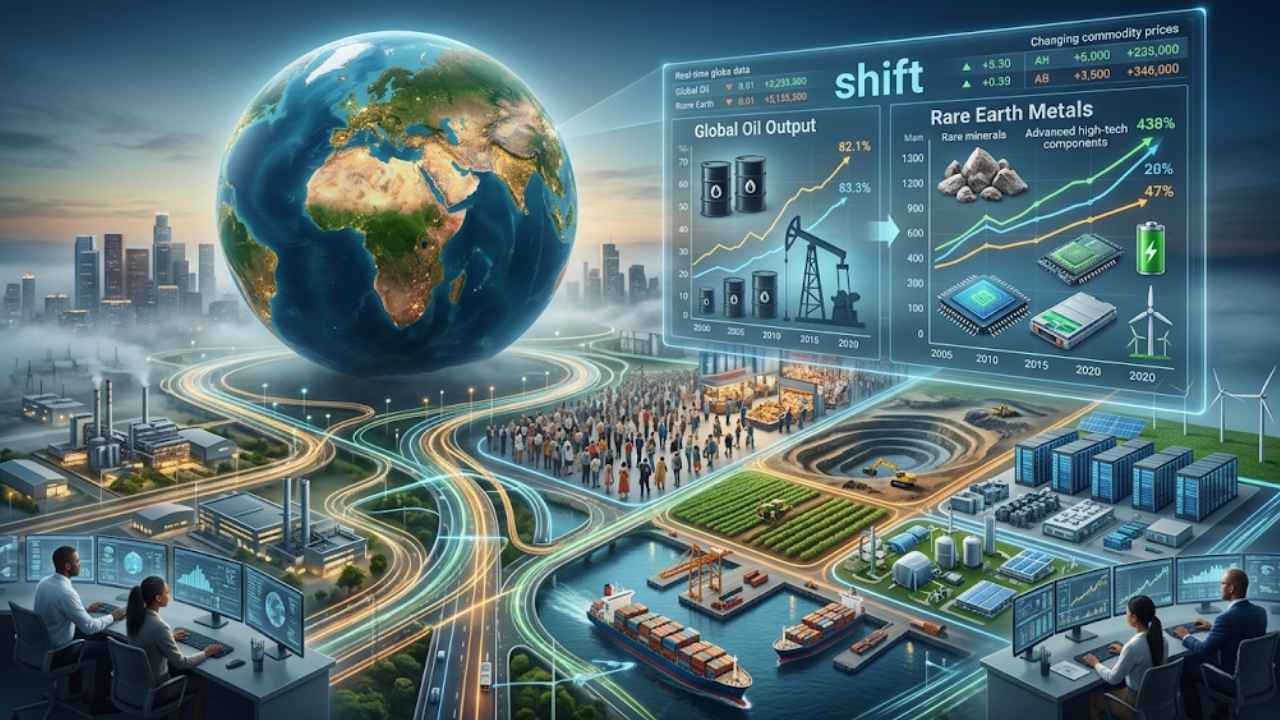
Numbers simply do not lie, and the raw economic math behind this newly expanded group is absolutely staggering for anyone paying attention. When you add up the massive populations, the untapped natural resources, and the booming industrial capacity of these eleven nations, you realize they hold all the cards. They are no longer just an alternative gathering to the West; they have become a dominant and aggressive force in their own right.
Every time a major business owner looks at global supply chains, they need the BRICS alliance explained to understand where their raw materials are actually coming from today. The sheer, unprecedented scale of this group gives them the power to make or break global markets with a single joint policy announcement. We are seeing major shifts in commodity pricing, especially in precious metals and crude oil, driven entirely by the coordinated actions of these member states.
Foreign direct investment is also rerouting, moving away from traditional Western markets and flowing directly between these allied developing nations. This massive economic gravity is actively pulling in smaller non-aligned countries, forcing the entire world to adjust to a completely new center of financial gravity.
|
Economic Sector |
Alliance Market Share |
Western Market Share Comparison |
Daily Global Impact |
|
Human Population |
Nearly 49 percent |
Under 10 percent for the G7 |
Drives massive global consumer spending trends |
|
Total GDP (PPP) |
Over 35 percent |
Roughly 30 percent for the G7 |
Surpasses traditional Western economic output |
|
Global Oil Output |
Over 40 percent |
Minority share globally |
Directly dictates the price of gasoline everywhere |
|
Rare Earth Metals |
Heavy majority control |
Very low domestic production |
Controls modern tech and electric vehicle supplies |
Shifting the Economic Balance of Power
When you put the numbers of the 11 member nations straight up against the wealthy G7 countries, the rapid shift in raw power is incredibly obvious. The bloc now officially represents roughly 49 percent of the total human population living on Earth today. Think deeply about that for a second. Literally half the entire world lives, works, and buys products inside this specific economic zone. While the G7 still technically holds a slight lead in standard nominal GDP, the bloc has completely surpassed them when you look closely at purchasing power parity. This specifically means they are producing and consuming far more actual real goods, food, and energy on a daily basis.
This massive, undeniable critical mass gives them completely unprecedented leverage in international trade negotiations. When these 11 countries sit down together at the World Trade Organization, their demands simply cannot be ignored or brushed aside anymore. They heavily use this unified diplomatic front to ruthlessly negotiate better trade deals, drastically lower tariffs for their specific members, and fiercely push back against aggressive Western trade policies. They are rapidly building a highly self-sustaining economic loop that relies much less on American or European consumers and relies far more on their own massively rising middle classes.
Control Over Global Energy Markets
Energy is the absolute lifeblood of the entire global economy, and the bloc now has a tight, unbreakable grip on it. Before the massive 2024 expansion, the group already had Russia, a completely massive energy exporter that supplied Europe for decades. But once they aggressively added Saudi Arabia, the UAE, and Iran into the mix, everything fundamentally changed overnight. This single, unified group now directly controls a massive concentration of the entire world’s crude oil and natural gas production.
This heavy market consolidation directly and instantly influences global energy prices. When these specific countries agree on daily production levels behind closed doors, they can easily raise or completely crash the cost of gasoline around the entire world. It also heavily impacts long-term supply chain security for major manufacturing hubs. Western nations now have to carefully negotiate with a highly unified bloc just to keep their automotive factories running and their major cities powered during the winter. This total energy dominance is absolutely one of the strongest, most effective tools the group has to force the West to take their financial demands very seriously.
Internal Challenges and Limitations
It is incredibly easy to look at the massive GDP numbers and mistakenly think this unified group is an unstoppable political juggernaut. The harsh reality behind the scenes is incredibly messy, as bringing eleven vastly different countries into the same room creates a massive amount of diplomatic friction. They absolutely do not share a single cohesive political ideology, and they constantly disagree on basic concepts of human rights, internet freedom, and domestic governance.
To keep this analysis strictly objective, we have to look very closely at the severe hurdles and internal roadblocks the bloc faces daily. You cannot have the BRICS alliance explained properly without understanding the deep structural cracks in their foundation that threaten to slow them down. If they cannot figure out how to resolve these bitter internal disputes, their grand plans for global financial dominance might just stall out entirely.
Decision-making requires full consensus, meaning a single stubborn member can completely veto a massive economic initiative. This constant need for unanimous agreement often dilutes their biggest ideas, turning what should be revolutionary policies into simple, watered-down press statements.
|
Internal Challenge |
Countries Most Involved |
Root Cause of the Conflict |
Current Status in 2026 |
|
Political System Clashes |
India/Brazil vs China/Russia |
Democratic elections vs Autocratic rule |
Causes friction during global human rights debates |
|
Direct Border Disputes |
India and China |
Heavily militarized Himalayan borders |
Extremely tense and blocks deep military trust |
|
Regional Middle East Rivalries |
Saudi Arabia and Iran |
Decades of proxy wars and religious divides |
Currently stable due to Chinese diplomatic brokering |
|
Economic Imbalance |
All members vs China |
China’s economy dwarfs all other members |
Creates deep fear of total Chinese economic domination |
Managing Differing Political Systems
The absolute biggest daily headache for the group is getting everyone to completely agree on highly sensitive political statements. You have fiercely proud, highly vocal democratic systems operating heavily in countries like India, Brazil, and South Africa. These specific governments have to answer directly to angry voters, totally free media outlets, and aggressive opposition parties back home. On the exact flip side, you have the highly centralized, tightly controlled governance structures of China, Russia, and Iran. These specific systems operate very differently and absolutely do not share the exact same democratic values or open internet policies.
These completely differing domestic policies make building fast consensus extremely difficult during global emergencies. When a major international crisis suddenly breaks out, the democratic members might urgently want to issue a strong statement supporting basic human rights, while the other autocratic members will flatly refuse to sign it. This frustrating dynamic often leads directly to highly watered-down summit declarations that do not really say anything meaningful to the press. It actively forces the entire group to stick strictly to safe topics like money, banking, and trade, while actively avoiding any incredibly tough political or moral conversations.
Geopolitical Rivalries Within the Bloc
The group also has to constantly deal with incredibly intense, occasionally violent rivalries right inside their own diplomatic tent. The most blatantly obvious one is the incredibly complex, highly militarized border dynamic between India and China. These two massive, nuclear-armed nations have an ongoing, very tense military standoff high in the Himalayas. It is incredibly hard to build a highly unified global economic alliance when your two absolute biggest members literally do not trust each other on a basic, fundamental security level.
You also absolutely have a highly delicate, walking-on-eggshells diplomatic balancing act happening constantly in the Middle East. Bringing massive historical rivals like Iran and Saudi Arabia into the exact same meeting room is a massive diplomatic achievement, but keeping them highly cooperative on trade is a constant, exhausting struggle for the diplomats. On top of all this heavy regional tension, there is a very real, growing risk of the entire group becoming completely too dependent on China. Because China has an incredibly massive economy far larger than all the other members strictly combined, the smaller nations constantly worry about simply trading one superpower boss for another. They desperately want a truly multipolar world, not a completely Chinese-dominated one.
The 2026 Summit and Future Outlook
As we look at the complicated global landscape in 2026, the alliance is stepping into a highly critical phase of its existence. Global uncertainty sits at an all-time high, and the bloc has to clearly prove it can actually manage the massive geographical expansion it just went through. India taking over the chairmanship this year is a massive deal, and they are bringing a very specific, stabilizing vision to the main table.
India wants to make absolutely sure the group stays heavily focused on real human development rather than just picking endless fights with Washington and Brussels. Understanding this specific year’s priorities is the real key to seeing exactly where the global economy is heavily heading next. They are shifting away from loud political statements and moving directly toward creating quiet, highly effective digital infrastructure projects that connect their citizens.
The leaders know they have the world’s attention, and this summit is their biggest chance to show they can govern globally, not just complain globally. If this year goes smoothly, it will solidify the bloc as the premier organization for the Global Majority for the next fifty years.
|
2026 Summit Details |
Specific Information |
Core Leadership Focus |
Expected Global Outcome |
|
Leadership Chair |
India |
Bridging the gap between the West and South |
A more moderate, highly constructive diplomatic tone |
|
Official Theme |
Resilience and Innovation |
Expanding digital technology across borders |
Creation of shared digital payment networks |
|
Major Priority Area |
Holistic Healthcare |
Sharing medical research and cheap pharmaceuticals |
Better pandemic readiness across the developing world |
|
Expansion Goal |
Consolidating Growth |
Integrating the new 2024 and 2025 members |
Pausing new full memberships to build internal unity |
India’s Leadership in 2026
India officially holds a highly unique, incredibly powerful spot in the world right now. It is a highly respected founding member of this specific bloc, but it also maintains incredibly strong, lucrative ties to the West through massive military groups like the Quad. This very specific, dual-aligned positioning makes India the absolute perfect, highly trusted bridge to lead the 18th summit deeply into 2026. The official, heavily promoted theme for the entire year is strictly focused on Building for a Resilient, Innovation, Cooperation, and Sustainability. This reflects a very people-centric, highly pragmatic approach that India has aggressively pushed for years on the world stage.
During this highly watched chairmanship, India has set some very specific, highly actionable priorities for the member states. They are pushing incredibly hard for deeply integrated, highly holistic healthcare initiatives across all member nations to ensure medical independence from Western pharmaceutical giants. They also desperately want to rapidly accelerate technology exchanges, especially heavily focusing on digital public infrastructure and incredibly affordable consumer tech solutions. India’s main overarching goal in 2026 is to ensure the group successfully continues to amplify the loud voice of the Global Majority. They desperately want the entire bloc to be universally seen as a highly positive, unstoppable force for global development, not just a purely anti-Western complaint club.
Final Thoughts
The incredible journey of this group from a catchy Wall Street acronym to an eleven-member geopolitical powerhouse is truly remarkable to witness. We have clearly seen how they successfully launched the New Development Bank, pushed incredibly hard for de-dollarization, and cornered the massive global energy market. While they certainly face massive internal hurdles and deeply complex regional rivalries, their combined economic weight makes them completely impossible to ignore on the world stage. Getting the BRICS alliance explained clearly shows us all that the long era of undisputed Western financial dominance is officially over.
The rapid rise of these specific emerging economies will absolutely define the next full decade of international relations and daily commerce. They are actively reshaping how massive amounts of money flow across borders and rewriting how the core rules of the international game are played. Whether you live in New York, London, or Mumbai, the economic decisions made by this specific bloc will directly impact your wallet and your business. The world has undeniably changed permanently, and adapting to this new multipolar reality is the only way forward for governments and global investors alike.
Frequently Asked Questions (FAQs) About BRICS Explained
What is the main purpose of BRICS?
The absolute main purpose is to successfully give emerging markets a much stronger, undeniable voice in global affairs and actively build a highly fair international financial system. The massive group actively works together constantly to massively boost economic cooperation, drastically increase direct trade among members, and completely reform Western-led institutions like the IMF.
Which countries are in BRICS in 2026?
The massive alliance currently has 11 full, highly active members operating together. The incredibly diverse roster strictly includes Brazil, Russia, India, China, South Africa, Egypt, Ethiopia, Iran, Saudi Arabia, the United Arab Emirates, and recently added Indonesia.
Is there a BRICS currency?
No, a strictly shared, newly minted physical currency does not exist right now, despite massive internet rumors. Instead of trying to painfully create a brand new coin, the highly pragmatic group is aggressively pushing all members to simply settle their massive cross-border trade using their own existing local money and newly built digital payment systems.
How does the New Development Bank work?
The massive bank directly provides incredibly large loans and essential funding for major hard infrastructure and green energy projects strictly located in developing countries. Unlike highly strict Western institutions, it happily gives these massive loans without demanding that the borrowing nations completely change their domestic political policies or human rights laws.
Can any country join the alliance?
Absolutely any country can formally apply, but the core group recently paused handing out full, voting admissions to safely manage the incredibly rapid growth they just experienced. They actively created a brand new partner country status to successfully allow interested, growing nations to instantly collaborate on trade without getting full voting rights immediately.
How does the addition of Indonesia in 2025 impact the bloc?
Indonesia directly brings an incredibly massive, young consumer population and a rapidly growing, highly dynamic economy strictly focused on critical tech minerals right into the group. This incredibly massive addition instantly gives the entire bloc a highly powerful, undeniable strategic anchor in Southeast Asia and firmly secures highly vital electric vehicle supply chains.