
Compliance with FEMA standards is vital for water treatment facilities, safeguarding them against natural disasters such as floods while also ensuring ongoing operations in crisis situations.
The risks associated with failing to adhere to FEMA guidelines can lead to catastrophic breakdowns and prolonged downtime within water treatment systems.
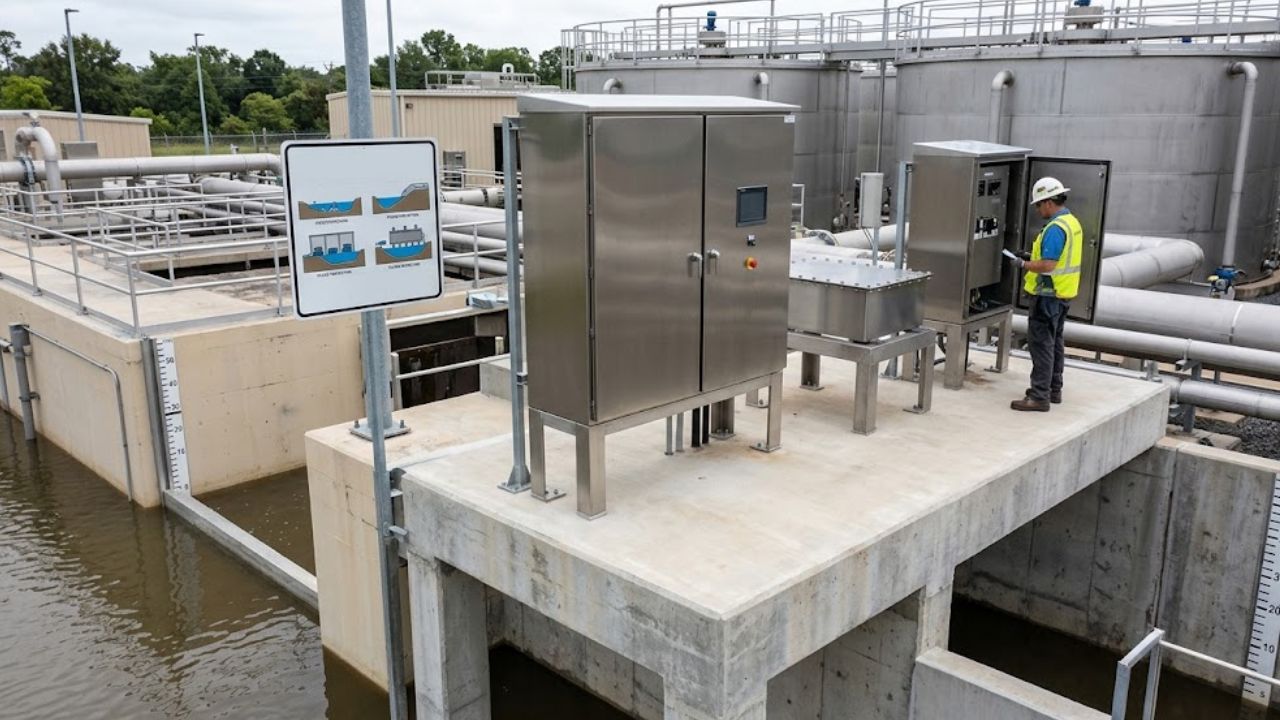
Electrical enclosures that are FEMA-compliant, especially those with NEMA 6P ratings, offer crucial protection against water immersion, dust infiltration, and corrosive elements—this protection is especially important in areas prone to flooding.
For lasting resilience against harsh environmental conditions and chemicals, durable materials like stainless steel and high-density polyethylene are highly recommended for electrical enclosures.
Insights from successful case studies indicate that facilities utilizing FEMA-compliant enclosures faced no loss of equipment functionality during severe flooding events.
When selecting the appropriate electrical enclosure, it’s important to evaluate site-specific environmental risks alongside operational requirements to ensure reliability and safety over the long term.
Involving experienced professionals for the setup and customization of electrical enclosures not only enhances adherence to safety standards but also boosts operational efficiency.
The Necessity of FEMA Compliance for Water Treatment Facilities
Why FEMA Standards Matter in Infrastructure Protection
FEMA compliance represents far more than a regulatory requirement for water treatment facilities; it’s essentially a safeguard. When a facility aligns with FEMA standards, it can better withstand nature’s forces, particularly from flooding. Facilities often face both natural disasters and human-made crises. Compliance with FEMA’s rigorous guidelines stands as a proactive measure to protect critical infrastructure, allowing treatment plants to remain functional and safe even in the toughest circumstances.
Recent studies indicate the uptick in extreme weather events driven by climate change. Experts caution that overlooking FEMA compliance can be more than just a risk—it can be a significant gamble. Facilities that disregard these standards may encounter catastrophic failures, resulting in costly operational downtime.
How Compliance Mitigates Flood Risks in Treatment Plants
Both quality and reliability are crucial considerations. Flood risks can disrupt treatment plants, hinder operations, and damage critical equipment. Compliance with FEMA significantly alleviates these risks. Electrical gear housed in FEMA-compliant enclosures is engineered to resist water ingress, ensuring that essential power systems remain operational during adverse events.
By taking proactive steps, facilities can reduce their vulnerability substantially. The integration of submersible enclosures paired with robust site-specific plans for flood management establishes layers of defense. Key actions to consider include:
- Conducting comprehensive risk assessments for flood-prone zones.
- Implementing effective drainage systems to prevent water build-up.
- Selecting enclosures designed to provide superior moisture sealing.
Key Features of FEMA-Compliant Electrical Enclosures
Understanding NEMA 6P Ratings and Their Importance
NEMA 6P ratings signify more than just technical jargon; they are essential for offering protection in extreme conditions. This rating assures that an enclosure can endure water immersion, making it critical for electrical components susceptible to flooding scenarios. For facilities, grasping these ratings is about maintaining operational integrity and safety. NEMA 6P rated enclosures provide protection against:
- Dust infiltration regardless of environmental conditions.
- Water jets and complete submersion.
- Corrosive materials found in wastewater treatment processes.
The choice of enclosure is significant. Since not all environments are the same, some treatment plants may require enclosures with even higher ratings, such as NEMA 7 or 9, suited for hazardous locations. Understanding these ratings has a direct effect on the long-term reliability and safety of water treatment operations.
Engineering for Durability: Materials that Stand the Test of Time
Choosing the right materials is paramount. Water treatment facilities frequently encounter harsh chemicals and moisture. Thus, enclosures made from stainless steel or high-density polyethylene are highly endorsed. These materials offer qualities that resist corrosion, maintaining their structural integrity even under challenging conditions.
Key traits expected from these materials include:
- Resistance to environmental deterioration.
- A long lifespan requiring minimal maintenance.
- Compatibility with chemical agents used during treatment operations.
Investing in durable materials proves beneficial. It can significantly lower long-term operational costs associated with repairs or replacements. Reliable infrastructure guarantees that treatment facilities can function independently of outside climatic factors.
Real-World Applications of Submersible Enclosures
Success Stories: Flood Mitigation in Action
Real-world evidence underscores the effectiveness of FEMA-compliant solutions. For instance, a municipal water treatment plant situated in a flood-prone area reported that post-flood assessments revealed no loss in equipment functionality due to the submersible enclosures with NEMA 6P ratings. This statistic holds immense weight, especially when public health relies on consistent water quality.
Various case studies highlight successful interventions where choosing “the right enclosure” made a significant difference. Data from actual situations reinforces the idea that when treatment facilities invest in FEMA-compliant electrical enclosures, they’re not just enhancing infrastructure—they’re prioritizing community safety.
“Facilities that have adopted FEMA-compliant systems report not only lower insurance premiums but also consistent operational performance.”
Case Studies: Enclosures Safeguarding Critical Equipment
Disaster management professionals have provided insights into diverse approaches for enclosure implementation. Oftentimes, successful case studies highlight customized solutions tailored to specific infrastructure challenges. For example, a treatment plant in San Francisco installed NEMA 6P rated electrical enclosures at critical sites prone to flooding.
Notable aspects from these case studies include:
- Strategic placement of enclosures to limit water exposure to key electrical components.
- Prompt assessments ensuring backup systems remained offline until conditions stabilized.
- Ongoing training for staff, equipping them to handle emergencies adeptly.
These tailored solutions exemplify the best path to mitigating flood risks while ensuring operational continuity. In essence, proven success enhances reputation, and these facilities demonstrate their worth through dependability.
Choosing the Right Electrical Enclosure for Your Needs
Critical Factors to Consider for Water Treatment Facilities
Selecting the most suitable electrical enclosure is often complicated. A variety of factors influence this decision, including the site location, environmental conditions, and the unique operational needs of the facility. It’s clear that flood-prone areas necessitate a different approach than those situated further inland. The following are critical points to consider:
- Evaluate flood risks: Different areas have distinct flood histories. Familiarity with flood maps can significantly inform decisions.
- Assess necessary ratings: Identify the appropriate NEMA rating and other safety standards required.
- Long-term value versus budget: Compare initial expenses against potential financial losses from inadequate protection.
A comprehensive assessment of facility requirements and thoughtful planning can ensure resilience against unpredictable weather challenges.
Expert Recommendations for Customization and Installation
Installation holds equal importance to the choice of enclosure itself. Collaborating with experienced professionals during the design process can result in bespoke solutions tailored to specific operational needs. Expertise in waterproofing, accessibility, and site-specific conditions plays a critical role, allowing clients to customize solutions that fit their unique contexts.
Insights shared by professionals typically emphasize:
- Personalization of enclosures to accommodate diverse electrical configurations.
- Ensuring adherence to local codes and safety regulations.
- Establishing regular maintenance schedules to uphold operational effectiveness.
Clients often gain peace of mind when implementing customized solutions that cater to their specific setups. Such meticulous planning establishes a foundation for dependable service delivery, no matter the environmental threats faced.
FEMA-compliant electrical enclosures transcend mere assets; they are vital elements of modern water treatment infrastructure. A combination of strict standards, robust materials, and dedicated design can delineate the line between success and failure in operations. By concentrating on these essential factors, professionals can fortify critical infrastructure, guaranteeing continuous service amidst life’s uncertainties.
FAQs
What specific challenges do water treatment facilities face that FEMA compliance addresses?
Water treatment facilities encounter numerous challenges, including severe weather and flooding, which can disrupt their operations. By complying with FEMA standards, these facilities strengthen their infrastructure, enabling them to endure adverse conditions while preserving operational integrity.
Are there different types of NEMA ratings for electrical enclosures?
Indeed, NEMA ratings differ based on exposure to various environmental factors. Beyond NEMA 6P, which is crucial for flood-prone locations, there are other ratings like NEMA 7 and 9 that cater to hazardous settings and further safety considerations in demanding environments.
How can facilities ensure ongoing compliance with FEMA standards?
Conducting regular audits and inspections is essential to maintaining FEMA compliance. Facilities should prioritize continuous staff training, perform annual assessments, and update enclosures as necessary to stay aligned with evolving standards and best practices.
What role do materials play in the effectiveness of electrical enclosures?
Materials such as stainless steel and high-density polyethylene significantly elevate the durability of enclosures. They offer protection against corrosion and adverse environmental impacts, crucial for preserving long-term functionality in water treatment facilities.
How often should the electrical enclosures be inspected or maintained?
Experts recommend conducting inspections at least twice a year, with more frequent checks during high-risk periods, like before and after heavy rainfall or extreme weather. Establishing maintenance schedules is vital to maintain operation and address potential issues proactively.
Can FEMA-compliant enclosures be customized for specific facility needs?
What impact do insurance costs see with FEMA compliance?
Facilities that maintain FEMA compliance frequently report reductions in insurance premiums. Insurers acknowledge the diminished risk of catastrophic failures and extended downtime linked to compliant infrastructure, which translates to financial savings for water treatment plants.
How does climate change influence the necessity of FEMA-compliant infrastructure?
The rise in frequency and intensity of extreme weather events brought about by climate change underscores the urgency for FEMA compliance. Facilities that take proactive steps to adapt their infrastructure can minimize disruptions caused by disasters, thereby ensuring a consistent, safe water supply amid unpredictable climate events.