
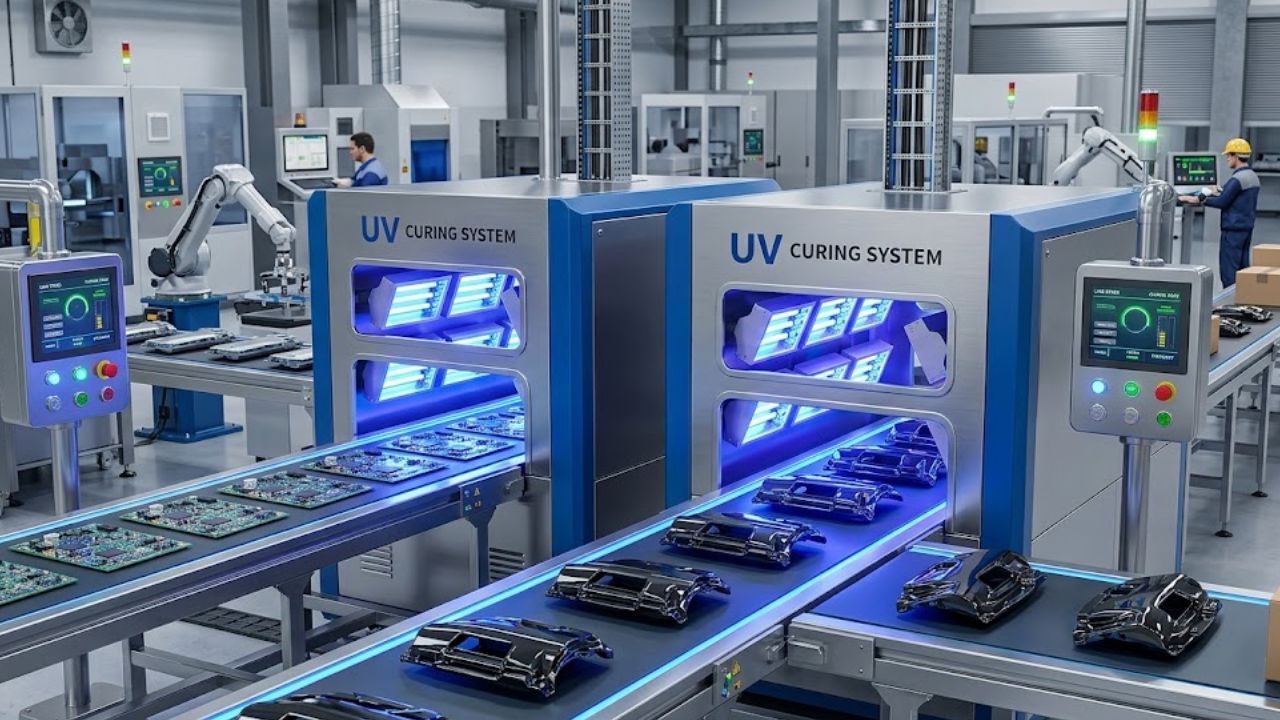
UV curing systems boost production efficiency by optimizing processes and facilitating the quick drying of inks, coatings, and adhesives. As a result, businesses can meet tight deadlines without sacrificing quality.
This process cures materials in just seconds, which significantly shortens project timelines, enabling immediate handling and shipment of products post-curing.
UV curing systems generate minimal volatile organic compounds (VOCs), leading to a noticeable reduction in waste and pollution while reflecting a commitment to eco-friendly practices.
By utilizing energy-efficient UV LED technologies, energy consumption and utility costs drop, enhancing workplace safety and generating a lower carbon footprint.
Groundbreaking advancements in UV curing technology—like modular designs and smart technology integrations—are essential for businesses that aim to future-proof their workflows and stay competitive.
Successful case studies from various sectors, including automotive and packaging, illustrate the remarkable advantages gained from adopting UV curing systems in manufacturing processes.
The adaptability of UV curing spans numerous applications, such as graphic printing, wood finishing, and automotive coatings, underscoring its influence across multiple industries.
How UV Curing Systems Enhance Production Efficiency
Streamlining Processes with Advanced UV Technologies
In today’s competitive marketplace, businesses are constantly seeking ways to enhance productivity without sacrificing quality. UV curing systems offer a solution by streamlining production processes, delivering impressive results in a fraction of the time traditionally required. This shift allows industries to meet tighter deadlines and maintain high standards.
But how does it actually work? UV curing employs ultraviolet light to kickstart polymerization, facilitating the rapid drying of inks, coatings, and adhesives. The swift adherence of materials minimizes downtime and speeds up workflows, thereby enabling manufacturers to process a greater number of products each day.
- Less Machinery Run-Time: Efficient curing processes lead to lower wear and tear.
- Fewer Material Handling Steps: Reducing the need for multiple drying stations conserves space and saves on labor.
- Consistent Results: Automated UV technology ensures quality control, thus mitigating variations.
Many clients notice a significant drop in production bottlenecks, resulting in a more seamless operation. Hence, the ability to boost output without increasing overhead costs significantly drives the adoption of these systems.
Rapid Curing: The Big Deal for Timelines
Think about how rapid curing can alter project timelines. In need of a quick turnaround? UV curing can make the difference between timely delivery and a missed deadline. Curing materials in mere seconds—yes, seconds!—can compress project timelines dramatically.
Key points to consider include:
- Immediate Handling: Products can be managed and shipped almost instantly after curing.
- Minimized Storage: Fast-paced projects lessen the need for extensive storage solutions.
- Flexibility: Production flows allow quick adjustments to accommodate demand fluctuations.
The efficiency brought about by this technology not only meets but often exceeds customer expectations. Rapid turnaround times can even unlock new markets and opportunities, driving growth in surprising ways.
The Environmental Impact of UV Curing: A Greener Alternative
Reducing Waste with Precise Curing Solutions
As awareness of sustainability grows, many businesses are integrating eco-friendly practices into their operations. By using UV curing systems, companies can achieve significant waste and pollution reduction, primarily because these systems emit little to no volatile organic compounds (VOCs).
Diving deeper into the waste aspect, UV systems are crafted for precision. They focus on specific areas requiring curing, minimizing spills and overspray. With less resource waste, businesses observe cost savings and a reduced environmental footprint, aligning well with regulatory requirements and customer expectations.
- Less Material Waste: Accurate applications limit unnecessary excess.
- Eco-Friendly: Minimal VOC emissions ensure compliance with environmental regulations.
- Longer Product Lifespan: Durable finishes lessen the need for replacements and repairs.
Investing in UV technology not only makes sound financial sense; it also reflects a commitment to responsible practices, which resonates well with consumers and stakeholders alike.
Energy Efficiency: Benefits for Business and Planet
Energy consumption remains a notable concern for manufacturers. Recent advancements in LED technology have enabled UV curing systems to drastically cut energy usage. A UV LED system uses light only when needed, thereby reducing power consumption and improving overall efficiency.
With lower energy bills, companies can look forward to:
- Reduced Utility Bills: The savings significantly bolster the profit margin.
- Longer Equipment Lifespan: A lower thermal load results in less wear on machinery.
- Improved Workplace Safety: Cooler operational conditions foster a safer environment; less heat minimizes fire risks.
These systems not only improve operational efficiency but also align with larger environmental objectives by reducing carbon footprints. This dual advantage serves as an attractive selling point for businesses committed to sustainable development.
Innovation in UV Curing Systems: What’s New on the Horizon?
Emerging Trends in UV Lamp and LED Technologies
Innovation is a constant in the world of UV curing. Professionals in the field remain vigilant about emerging trends that signal the future of these systems. A prominent development is the shift towards advanced LED technologies, which promise greater energy efficiency, increased longevity, and the ability to cure at lower temperatures.
This transformation elevates the standard in several ways:
- Cost-Effectiveness: While initial investments might be higher, the long-term savings on energy and replacements are considerable.
- Versatility: New models can cure a wider array of materials, expanding application possibilities.
- Speed: Enhanced curing speeds positively affect overall production rates and output quality.
These trends paint a promising picture for businesses ready to invest in their curing processes. Staying updated is crucial for maintaining a competitive edge.
Future-Proofing Workflows with Latest Systems
As industries change, the necessity for future-proofing workflows becomes evident. Upgrading to cutting-edge UV curing systems isn’t just a trend; it’s essential for businesses eager to maintain their market position. Investing in adaptable technologies prepares them for upcoming challenges and evolving demands.
But what does future-proofing entail?
- Modular System Designs: Flexibility allows adaptation to various production needs without major overhauls.
- Smart Technologies: Integration with Industry 4.0 features offers valuable data-driven insights.
- Training and Support: Ongoing education ensures staff can effectively utilize new systems.
Organizations that embrace innovation can expect tremendous benefits. Adapting to the latest trends and technologies positions them favorably for growth within an ever-changing landscape.
Real-World Applications: Transforming Industries with UV Curing
Case Studies: Success Stories from Different Sectors
Nothing is more convincing than success stories. Various industries incorporating UV curing systems have undergone impressive transformations. In the automotive sector, for example, manufacturers report that adopting UV technologies has improved both production speed and coating durability. Such advancements lead not only to heightened quality but also to enhanced efficiency, validating the investment.
Here are some noteworthy examples:
- Packaging Companies: Faster curing times enable rapid product launches.
- Textile Manufacturers: More vibrant and long-lasting prints can be achieved with minimized wasted materials.
- Electronics: UV curing ensures dependable assembly for delicate components.
These case studies serve as inspiration. They illuminate how embracing innovation can yield concrete benefits, paving the way for future advancements across sectors. Companies interested in adopting similar systems are likely to witness these advantages in their own operations.
Versatile Use Cases: From Printing to Coatings and Beyond
When it comes to UV curing, versatility emerges as one of its standout attributes. This technology spans numerous application areas, from printing to various coating processes, impacting multiple industries significantly. In graphic printing, for instance, UV curing facilitates immediate finishing—eliminating downtime for materials to dry significantly enhances workflow efficiency.
In the coatings sector, UV technologies present manufacturers with an opportunity to develop eco-friendly products without sacrificing performance. Consider the following applications:
- Wood Finishing: Improved surface hardness translates to higher durability.
- Adhesives: Rapid curing times lead to stronger bonds and greater product resilience.
- Automotive Finishes: Highly resistant coatings safeguard vehicles over the long term, achieving a superior finish.
Ultimately, the remarkable adaptability of UV curing systems showcases their substantial influence on modern production. Businesses that adopt this technology will find vast opportunities for improvements and growth within their workflows.
FAQs
How does UV curing compare to traditional drying methods?
UV curing distinguishes itself from traditional methods by dramatically shortening drying times. While conventional drying may take minutes or even hours, UV curing achieves similar results in mere seconds, boosting efficiency and productivity in workflow operations.
What industries benefit the most from UV curing systems?
Sectors like automotive, packaging, textiles, and electronics gain considerable advantages from UV curing systems. Each industry leverages this technology for its capacity to accelerate production, enhance quality, and reduce waste, aligning closely with contemporary market demands.
Are there specific maintenance requirements for UV curing systems?
Regular maintenance is critical for UV curing systems to ensure peak performance. This typically involves replacing UV lamps or LEDs as needed, cleaning the curing units, and checking for any signs of wear and tear to maintain efficient curing capabilities.
Can UV curing systems be integrated with existing production lines?
Definitely. Many UV curing systems feature modular designs, enabling seamless integration into existing workflows without significant overhauls. This adaptability allows businesses to optimize processes with minimal disruption during the transition.
What types of materials can be cured with UV technology?
A broad array of materials can be cured using UV technology, including inks, coatings, adhesives, and certain plastics. The flexibility inherent in UV curing renders it an excellent choice for various applications across diverse industries.
Is UV curing safe for workers and the environment?
Yes, UV curing is generally considered safe, with minimal emissions of volatile organic compounds (VOCs) contributing to a healthier workplace. Moreover, advancements in technology ensure these systems operate at cooler temperatures, thereby reducing heat-related hazards for workers.
What are the latest trends influencing the development of UV curing technology?
Current trends encompass a shift towards energy-efficient LED systems, advancements in curing speed, and the integration of smart technologies for data-driven processes. These innovations are shaping more cost-effective and versatile UV curing solutions.
How can a business assess the ROI on investing in UV curing systems?
A business can determine the ROI by analyzing enhanced production speeds, reduced waste, improved quality, and lower energy costs. Keeping a close watch on these factors following implementation yields valuable insights into the overall financial benefits from the investment.