

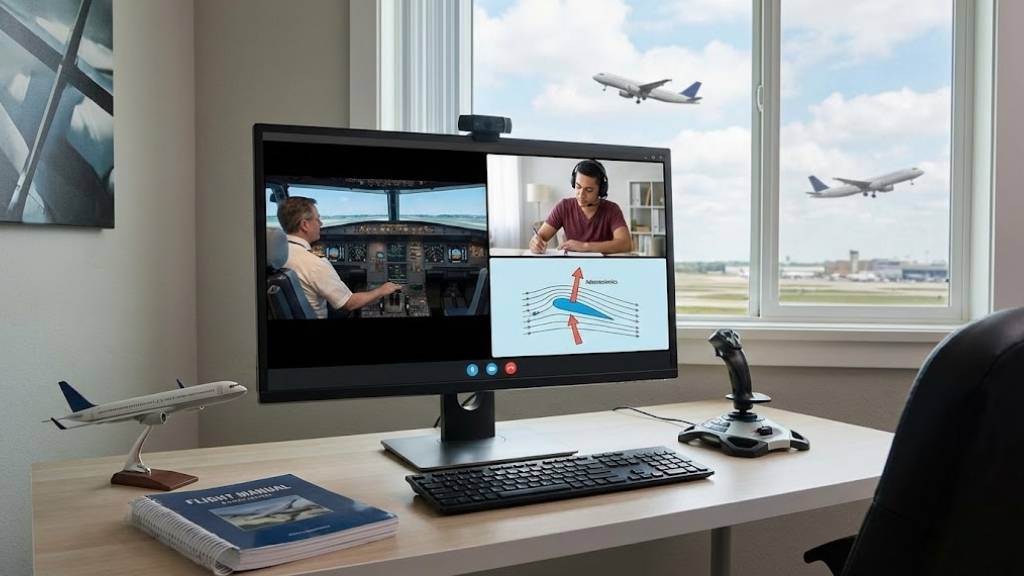
The aviation industry continues to evolve, demanding skilled professionals who understand both technical knowledge and operational standards. As education adapts to modern learning needs, online aviation classes have become an increasingly popular pathway for students who want to enter aviation careers. These programs offer structured learning, industry-relevant knowledge, and flexibility that traditional classrooms often cannot provide. For aspiring pilots, aviation managers, maintenance technicians, and operations specialists, online learning plays a meaningful role in building a strong foundation for long-term success.
Building Strong Theoretical Knowledge for Aviation Roles
Aviation careers require a deep understanding of theory before practical skills can be applied. Concepts such as aerodynamics, navigation, meteorology, aviation safety, air traffic systems, and regulations form the backbone of professional aviation training. Online aviation classes are designed to deliver this foundational knowledge in a clear and organized way, allowing students to absorb complex topics at their own pace.
Through structured modules, video lectures, and interactive materials, students gain exposure to the same core principles taught in traditional aviation schools. This theoretical preparation is essential for careers that demand accuracy and compliance, as aviation professionals must operate within strict regulatory frameworks. Online coursework ensures that students understand terminology, procedures, and industry standards before stepping into hands-on environments.
Many programs also integrate real-world case studies that reflect current aviation challenges. These scenarios help students connect theory to real operational situations, preparing them to think critically and make informed decisions. By mastering these concepts early, students develop confidence and clarity as they progress toward specialized aviation roles.
Flexibility That Supports Career-Oriented Learning
One of the strongest advantages of online aviation classes is flexibility. Aviation students often balance education with work, family responsibilities, or flight training schedules. Online learning allows students to access course materials from anywhere, reducing the need for rigid classroom attendance and long commutes.
This flexibility encourages consistency, which is critical for mastering aviation concepts. Students can revisit lessons, review recorded lectures, and study during hours that suit their personal routines. This approach supports deeper learning and better retention, especially for technical subjects that require repetition and focus.
Online aviation classes also make aviation education more accessible to students who may not live near flight schools or aviation institutions. By removing geographic barriers, these programs open doors for learners who otherwise might not pursue aviation careers. This expanded access contributes to a more diverse and prepared workforce across the aviation industry.
Developing Discipline and Self-Management Skills
Aviation careers demand discipline, responsibility, and attention to detail. Online learning naturally reinforces these qualities. Without constant in-person supervision, students must manage their time, meet deadlines, and stay accountable for their progress. These habits closely mirror the expectations placed on aviation professionals in real-world settings.
By completing coursework independently, students learn to prioritize tasks and maintain focus. This self-directed learning environment helps build professional habits that translate directly into aviation roles, where procedures must be followed precisely and consistently. Employers often value candidates who demonstrate strong organizational skills and the ability to work responsibly without constant oversight.
Exposure to Industry Standards and Regulations
Aviation is one of the most regulated industries in the world. Professionals must understand national and international regulations, safety protocols, and compliance requirements. Online aviation classes place strong emphasis on regulatory knowledge, ensuring students are familiar with aviation authorities, operational standards, and safety management systems.
Courses often cover topics related to aviation law, risk management, and compliance procedures. This knowledge is essential not only for pilots and maintenance technicians but also for those pursuing careers in aviation management, dispatch, or operations. Understanding regulations early helps students transition more smoothly into professional roles where compliance is non-negotiable.
Online learning platforms are also well-suited for updating course content as regulations change. This allows programs to stay current and relevant, giving students access to up-to-date information that reflects real industry expectations. Staying informed prepares students to adapt quickly in a field where safety and regulation are constantly evolving.
Supporting Career Pathways Beyond the Cockpit
While many people associate aviation education with pilot training, the industry offers a wide range of career options. Online aviation classes support pathways into aviation management, airport operations, aviation safety, logistics, and airline administration. These roles are essential to keeping aviation systems running efficiently and safely.
Online programs often introduce students to the broader aviation ecosystem, helping them understand how different departments and roles interact. This holistic perspective allows students to identify career paths that align with their strengths and interests. For those pursuing non-flight careers, online learning provides the academic preparation needed to enter the industry without immediate access to aircraft or simulators.
By covering topics such as operations planning, safety oversight, and industry economics, online aviation classes help students develop skills that are transferable across multiple aviation roles. This versatility enhances employability and opens opportunities for long-term career growth.
Preparing Students for Practical and Hands-On Training
Although aviation careers require hands-on experience, online education plays a critical preparatory role. Students who complete online coursework enter practical training with a stronger understanding of procedures and expectations. This reduces the learning curve when transitioning to flight simulators, maintenance labs, or operational environments.
For aspiring pilots, online aviation classes help prepare students for ground school requirements, written exams, and knowledge-based assessments. For technical and management roles, online coursework builds familiarity with documentation, safety protocols, and decision-making processes used in real operations.
This preparation allows hands-on training to focus more on skill refinement rather than basic explanations. As a result, students often progress more efficiently and confidently during practical phases of their education.
Enhancing Career Readiness Through Digital Learning Tools
Modern aviation relies heavily on technology, from navigation systems to operational software. Online aviation classes naturally expose students to digital learning platforms, data analysis tools, and virtual collaboration environments. This familiarity supports career readiness in an industry that increasingly depends on digital systems.
Many programs incorporate assessments, simulations, and scenario-based learning that reflect real aviation workflows. These tools help students practice problem-solving and decision-making in controlled environments. Developing comfort with technology early helps students adapt quickly to professional aviation settings.
Online learning also encourages communication through discussion boards, virtual meetings, and collaborative projects. These interactions help students develop professional communication skills, which are essential in aviation environments where coordination and clarity are critical.
Creating a Strong Foundation for Long-Term Aviation Careers
Aviation careers require continuous learning and adaptation. Regulations change, technology advances, and operational standards evolve. Online aviation classes help establish a mindset of ongoing education by familiarizing students with digital learning formats they may encounter throughout their careers.
This foundation supports long-term success by encouraging curiosity, adaptability, and professional growth. Students learn how to seek information, stay updated, and apply knowledge effectively. These qualities are vital in an industry where safety, precision, and continuous improvement are central.
Online aviation classes prepare students not only by delivering knowledge, but by shaping habits and skills that align with aviation professionalism. Through structured theory, flexible learning, regulatory education, and digital competency, these programs equip students to enter aviation careers with confidence and readiness. As aviation continues to expand and modernize, online education remains a powerful tool for preparing the next generation of aviation professionals.