

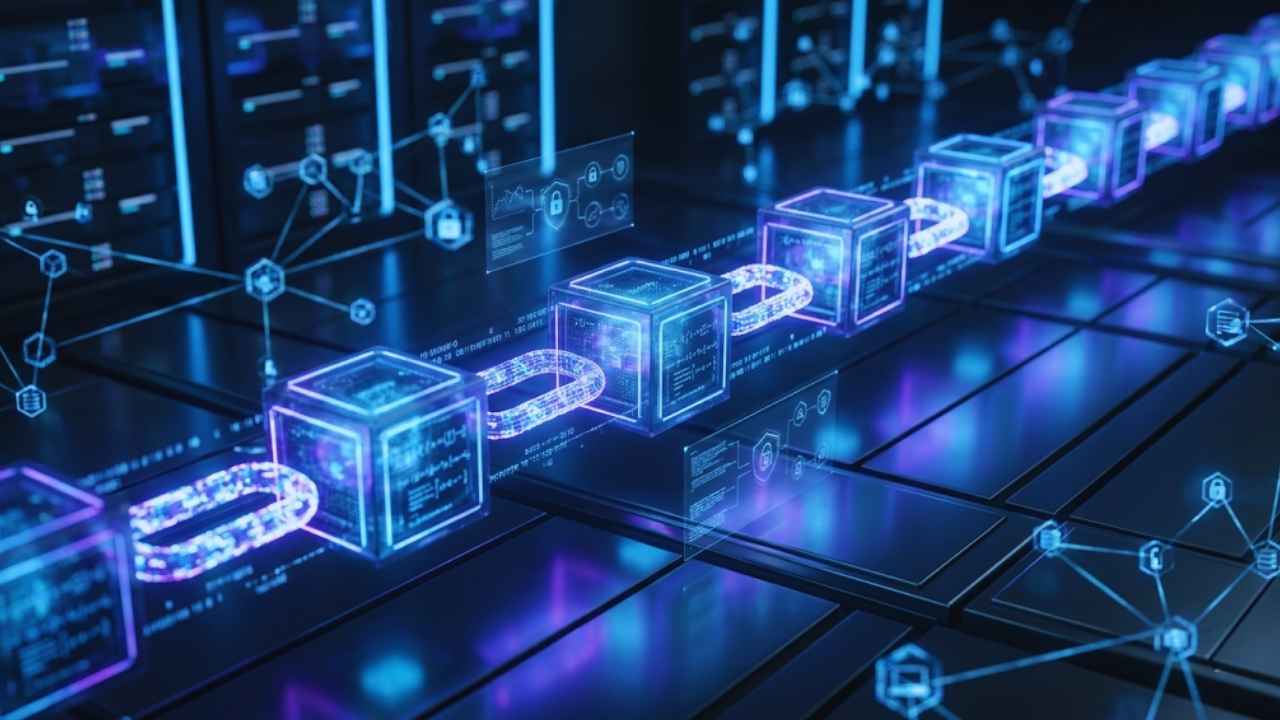
You hear the buzzword everywhere, from finance podcasts to late-night tech forums. Everyone talks about the future of decentralized money and digital assets. But if you strip away the hype and the complex jargon, what is blockchain technology at its core? It is essentially a new way to store and share information securely without relying on a middleman.
For decades, we relied on centralized systems. If you wanted to send money to a friend across the country, a bank had to process the transaction. If you bought a piece of land, a government registry had to record the title. These systems function well enough, but they carry distinct flaws. Centralized databases act as a single point of failure. Hackers target them, errors slip through the cracks, and middlemen charge hefty fees just to verify data.
The anonymous creator of Bitcoin, Satoshi Nakamoto, recognized this problem in 2008. The goal was to build a financial system that did not need banks to function. This digital ledger concept quickly evolved beyond cryptocurrency. Today, major industries use it to track supply chains, secure healthcare records, and automate complex legal agreements. By 2026, the global market for this technology is projected to reach nearly 67 billion dollars, driven heavily by AI integration and real-world asset tokenization. This guide breaks down exactly how the system works behind the scenes, why it matters, and how it might impact your daily life sooner than you think.
What Is Blockchain Technology Exactly?
When people ask what is blockchain technology, they usually expect a highly complicated answer full of coding terms. The reality is much simpler. It is just a digital record book that tracks transactions and stores information. Instead of keeping that record book locked away on a single private server, the system distributes copies of the entire book to thousands of computers worldwide. Every time a new entry happens, every single copy updates at the exact same time. This shared setup removes the need for a central authority to oversee the data.
|
Feature |
Traditional Ledger |
Digital Blockchain |
|
Control |
Single authority |
Decentralized network |
|
Data Editing |
Administrator can change records |
Entries are permanent |
|
Transparency |
Private and hidden |
Verified by all users |
|
Failure Risk |
Single server crash stops everything |
Network runs continuously |
The Concept of Blocks and Chains
Think of a standard spreadsheet where you log daily expenses. When one page fills up, you turn to the next page to continue your records. This system works similarly by grouping new pieces of data together into a digital container called a block. Each block has a specific, hardcoded storage limit that dictates how much data it can hold. Once the network fills a block with verified transactions, it seals it shut permanently. The network then links this newly sealed block to the block that came right before it.
This chronological, mathematical linking creates a continuous chain of data, hence the name. Because of the complex cryptography involved in linking these containers, any attempt to tamper with an old block breaks the entire chain. Everyone on the network would immediately see the broken link and reject the tampered data, keeping the historical record perfectly intact.
|
Block Concept |
Description |
|
The Block |
A digital container holding verified data or transactions. |
|
The Chain |
The chronological sequence of sealed blocks. |
|
The Link |
A mathematical bond that connects one block to the previous one. |
|
The Benefit |
Prevents historical records from being altered secretly. |
How Decentralization Changes the Game?
Decentralization sounds like a heavy, academic concept, but it simply means spreading power and control out among many participants. If a traditional bank server goes offline due to a power outage or a cyber attack, you cannot access your money or even check your balance. A decentralized network operates across thousands of independent computers, known as nodes, scattered across the globe.
If a hundred of these nodes suddenly lose power, the network continues running perfectly because thousands of other nodes still hold the exact same data. You no longer have to trust a single corporation to keep your records safe or honest. The mathematical formulas and the collective agreement of the network handle the trust automatically. This shifts the power away from giant corporations and places it directly into the hands of the people using the system.
|
Centralized System |
Decentralized System |
|
Single point of failure |
Thousands of backup nodes |
|
Vulnerable to targeted hacks |
Highly resistant to widespread attacks |
|
Middlemen dictate the rules |
Code and community dictate the rules |
|
High fees for processing data |
Reduced fees due to automated processes |
How Does Blockchain Work Behind the Scenes?
Understanding the step-by-step journey of a transaction makes the entire concept click into place. The underlying code might look like a foreign language, but the actual path your data takes is incredibly logical and easy to follow. The process starts the moment you hit send on a digital wallet or submit a piece of data to the network. Your request travels out to a holding area where it waits for the network to pick it up and process it. The computers on the network then work together to make sure your request is legitimate before permanently recording it into the public ledger.
|
Transaction Phase |
Action Performed |
|
Initiation |
User signs a request with a digital key. |
|
Broadcasting |
Request goes out to all network nodes. |
|
Verification |
Nodes confirm the user has the required assets. |
|
Block Creation |
Verified transactions group together into a block. |
Requesting and Signing a Transaction
Everything kicks off when a user initiates an action on the network. You might want to transfer a digital token to a friend, record a property deed for a new house, or log a shipping container crossing an international border. You sign this specific request using a secure digital wallet that holds your private cryptographic keys. Think of this digital signature as an unforgeable wax seal on an envelope.
This signature proves to the network that you actually authorized the request and that nobody intercepted and altered your message. Once you sign it, your application broadcasts the raw data to the global network of computers waiting to process it. Until the network officially picks it up, your transaction sits in a temporary waiting room known as a memory pool.
|
Action Step |
Details |
|
User Intent |
Deciding to move an asset or record data. |
|
Private Key |
The secret code used to authorize the move. |
|
Digital Signature |
The mathematical proof that the user authorized it. |
|
The Mempool |
The waiting area for unconfirmed transactions. |
Network Validation and Consensus
The waiting request now sits in a pool of unconfirmed transactions, waiting for validation. The network nodes swoop in and grab batches of these requests to process them. They use an agreed-upon set of rules, known as a consensus mechanism, to check your work and verify your identity.
If you are trying to send digital money, the nodes check the entire history of the ledger to ensure you actually have those funds in your account and have not secretly spent them twice. This process completely eliminates the need for an auditor or a bank clerk to check your balance. Once the majority of the network agrees that your transaction checks out perfectly, it gets the green light to move forward into a newly forming block.
|
Validation Factor |
How It Works |
|
Node Activity |
Computers pull transactions from the waiting pool. |
|
Balance Check |
The network reviews past blocks to verify funds. |
|
Double-Spend Prevention |
Ensuring the same asset is not spent in two places. |
|
Consensus |
The majority of nodes agreeing the data is accurate. |
Creating the Cryptographic Hash
Here is where the real security magic happens behind the scenes. Once a block is full of verified transactions, the system runs it through a complex mathematical formula to generate a hash. A hash looks like a random string of numbers and letters, acting as a unique digital fingerprint for that specific block.
If someone alters even a single comma or changes a number inside that block, the entire hash changes completely. The new block also includes the hash of the block that came right before it, gluing them together chronologically. This is the ultimate security feature. If a hacker tries to rewrite history, the changed hash will not match the records of the next block, and the network will instantly reject the tampering attempt.
|
Hash Feature |
Security Purpose |
|
Unique Fingerprint |
Identifies a specific block of data flawlessly. |
|
Sensitivity |
Any data change completely alters the hash output. |
|
Interlocking |
Every block contains the previous block’s hash. |
|
Tamper Alert |
Mismatched hashes instantly signal a hack attempt. |
Adding to the Permanent Ledger
With the hash generated and the data fully verified by the nodes, the new block officially locks into the chain. Every single node on the network updates its own copy of the ledger to reflect this brand-new addition. At this exact point, the transaction is officially complete and completely irreversible. The digital assets successfully move from the sender to the receiver, and the record remains visible and permanent forever.
You do not get a printed receipt; the permanent block itself acts as your undeniable proof of transaction. Because thousands of computers hold this updated record simultaneously, losing your personal receipt or having your local computer crash does not matter. The global network preserves your data permanently.
|
Finalization Step |
Outcome |
|
Block Locking |
The block is permanently sealed and added. |
|
Global Update |
Thousands of nodes update their personal ledgers. |
|
Asset Transfer |
Ownership officially shifts to the receiver. |
|
Permanent Record |
The data becomes an undeniable, lasting fact. |
Key Features That Make This System Unique
People do not just use this technology because it sounds modern or futuristic. They use it because it offers specific, hard-hitting benefits that traditional databases simply cannot provide. The combination of distributed networks and advanced mathematics creates an environment of absolute, unbreakable trust. You do not need to know the person on the other side of a transaction, nor do you need to hire a lawyer to ensure they hold up their end of the bargain. You only need to know that the network rules prevent them from cheating. By 2026, the demand for secure data sharing has pushed major industries to adopt these core features.
|
Core Feature |
Industry Benefit |
|
True Immutability |
Perfect for financial auditing and legal records. |
|
Consensus Protocols |
Removes expensive middlemen from the equation. |
|
Public-Key Cryptography |
Secures personal data without relying on passwords. |
|
Distributed Ledger |
Prevents server crashes from halting business operations. |
True Immutability and Permanent Records
Immutability is arguably the most powerful aspect of the entire system. Once the network records a piece of data, nobody can change it, delete it, or cover it up to hide a mistake. If you make an error and send funds to the wrong person, no customer service representative can hit reverse for you.
You must record a brand new transaction to fix the error, leaving both the original mistake and the subsequent correction visible in the public record forever. This creates an unparalleled level of accountability that auditing firms, supply chain managers, and legal teams absolutely rely on. You never have to worry about a corrupt administrator secretly altering a database to hide stolen funds.
|
Immutability Aspect |
Real-World Impact |
|
No Deletions |
Past mistakes remain visible for full transparency. |
|
Fraud Prevention |
Embezzlers cannot alter accounting books. |
|
Automated Trust |
Users trust the system because records cannot change. |
|
Audit Efficiency |
Auditors can verify histories in seconds instead of weeks. |
Advanced Consensus Mechanisms
Since there is no central boss sitting in a corner office to stamp a transaction as approved, the network relies entirely on automated consensus mechanisms. The two most famous types are Proof of Work and Proof of Stake. Proof of Work requires massive banks of computers to solve difficult mathematical puzzles to validate data, which consumes a tremendous amount of electricity.
Proof of Stake, which modern networks now heavily favor, requires participants to lock up their own digital tokens as collateral to earn the right to validate transactions. This newer method uses significantly less energy while keeping the network just as secure against bad actors.
|
Consensus Type |
How It Validates |
|
Proof of Work |
Uses massive computing power to solve puzzles. |
|
Proof of Stake |
Users lock up digital tokens as collateral. |
|
Delegated Proof of Stake |
Users vote for a small group of validators. |
|
Proof of Authority |
Pre-approved nodes validate based on reputation. |
Public-Key Cryptography Security
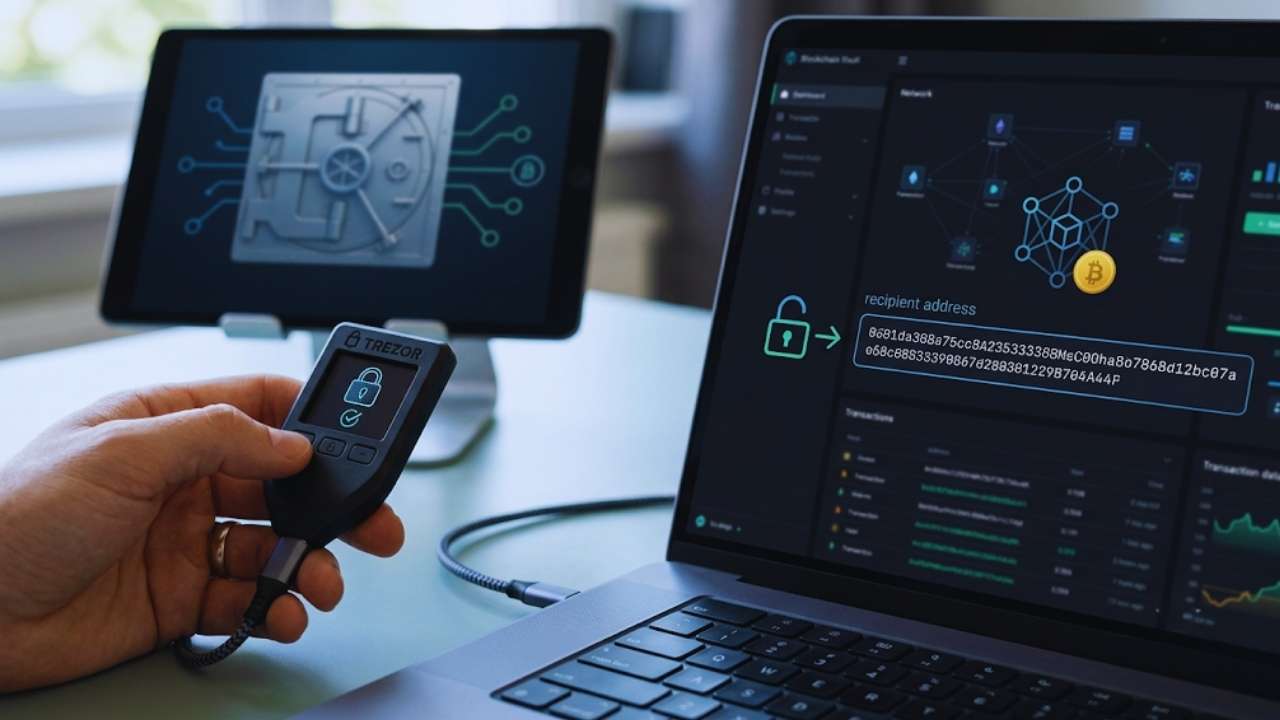
When you join a decentralized network, you receive two different cryptographic keys. Your public key acts like your traditional bank account number. Anyone can see it, and they use it to send you digital assets or encrypted messages. Your private key acts like your ATM PIN, but much more secure.
You use it to prove ownership and move your assets around the network. The sophisticated mathematics ensure that people can verify your transactions using your public key, but only you can actually initiate them with your private key. As long as you keep your private key hidden offline, your assets remain completely secure from digital thieves.
|
Cryptography Element |
Function |
|
Public Key |
The address others use to send you assets. |
|
Private Key |
The secret password that unlocks your assets. |
|
The Relationship |
They are mathematically linked, but you cannot guess the private key from the public one. |
|
User Responsibility |
Losing the private key means losing access forever. |
Different Types of Blockchain Networks
Not every business wants its internal financial data floating around on a public server where anyone with an internet connection can analyze it. Different use cases clearly require different levels of privacy, speed, and overall network control. Because of this reality, developers created several distinct types of networks to meet specific industry needs. Some value total openness to attract global users, while others prioritize processing speed and strict confidentiality to satisfy corporate board members.
|
Network Type |
Primary Characteristics |
|
Public Networks |
Open, permissionless, fully decentralized. |
|
Private Networks |
Closed, permissioned, centrally controlled. |
|
Consortium Networks |
Shared control among multiple organizations. |
|
Hybrid Networks |
A blend of private data and public verification. |
Public Networks for Open Access
Public networks are completely open, permissionless, and highly transparent. Anyone with an internet connection can download the necessary software, read the entire historical ledger, and start verifying transactions immediately. Bitcoin is the most famous and widely used example of a public network.
No single person, corporation, or government controls the rules. Because so many independent people participate in running the nodes, public networks are incredibly secure against corporate hacking and government censorship. The main downside is that they can sometimes run slowly because every single computer must process every single piece of data during busy periods.
|
Public Network Pros |
Public Network Cons |
|
Unmatched security against hacks. |
Slow processing speeds during peak times. |
|
Total transparency for all users. |
Zero privacy for transaction histories. |
|
Highly resistant to censorship. |
Requires high energy to reach consensus. |
|
No central point of failure. |
Upgrading the system takes a long time. |
Private Networks for Corporate Control
Private networks, sometimes called managed networks, operate strictly behind closed corporate doors. A single organization controls the system from the top down and decides exactly who gets permission to participate. The central administrator can dictate who validates transactions and who has the clearance to view specific sets of data.
Large corporations heavily use these systems because they want the efficiency and security of a distributed ledger but absolutely refuse to share their internal trade secrets with the general public. While they process data incredibly fast, they sacrifice the true decentralization that makes the technology so revolutionary.
|
Private Network Feature |
Corporate Benefit |
|
Controlled Access |
Keeps competitors from viewing sensitive data. |
|
High Processing Speed |
Handles thousands of internal transactions instantly. |
|
Regulatory Compliance |
Easier to adhere to strict government privacy laws. |
|
Centralized Upgrades |
The company can easily fix bugs or reverse errors. |
Consortium networks offer a brilliant middle ground for specific industries. Instead of one single company running the entire show, a group of pre-selected organizations shares the responsibility and power equally. Imagine three competing global shipping companies building a shared ledger to track international freight across oceans.
They do not want the public seeing their cargo manifests, but they also firmly do not trust a single rival company to manage the database impartially. They share control, setting up a system where transactions require approval from multiple members to pass. This fosters deep collaboration without risking corporate espionage.
|
Consortium Aspect |
How It Works |
|
Shared Authority |
Pre-approved companies share node operations. |
|
Collaborative Security |
Prevents one rogue company from altering data. |
|
Increased Efficiency |
Standardizes paperwork across an entire industry. |
|
Selective Privacy |
Only members of the consortium see the ledger. |
Hybrid Networks for Ultimate Flexibility
Hybrid networks give companies the ultimate flexibility by blending the absolute best features of both public and private systems. A corporation can set up a completely private, permission-based system to handle extremely sensitive internal data, like employee payroll or patient medical records.
At the same time, the system seamlessly connects to a public network to verify certain open records. For example, a luxury watch brand might keep its manufacturing data private but push the authenticity certificates to a public ledger so buyers can verify their purchase. This approach provides airtight privacy while still maintaining public trust.
|
Hybrid Network Strategy |
Application Example |
|
Internal Data Shielding |
Keeping employee salaries on the private side. |
|
Public Verification |
Pushing product authenticity to the public side. |
|
Speed Optimization |
Processing minor transactions privately, fast. |
|
Security Anchoring |
Using the public network to secure private hashes. |
Real-World Applications Beyond Cryptocurrency
While digital money initially put this technology on the map and dominated the headlines, the financial sector is no longer the only game in town. The unique ability to create permanent, unchangeable records applies directly to almost every sector of the modern global economy. Moving into 2026, we see massive leaps in tokenizing physical assets, tracking sustainable materials, and integrating artificial intelligence to make these networks significantly smarter. The days of viewing this strictly as a tool for trading volatile internet coins are entirely behind us.
|
Industry Use Case |
How The Technology Solves Problems |
|
Global Supply Chains |
Tracks products to ensure ethical sourcing. |
|
Insurance Processing |
Automates claims payouts via smart contracts. |
|
Real Estate Investment |
Tokenizes buildings to lower the barrier to entry. |
|
Healthcare Management |
Secures patient files against ransomware attacks. |
Supply Chain Management and Tracking
Global supply chains are notoriously messy and heavily reliant on outdated paperwork. A single commercial product might pass through dozens of hands, factories, and customs checkpoints before reaching a retail store. Paperwork frequently goes missing, delays pile up, and counterfeiting remains a massive global problem.
By putting supply chain data directly on a shared digital ledger, companies track goods in real-time. A consumer in a supermarket can scan a code on a bag of coffee beans and instantly see its exact, unforgeable journey from a farm in Colombia to a cafe in London, totally guaranteeing it is ethically sourced.
|
Supply Chain Benefit |
Description |
|
Provenance Tracking |
Knowing exactly where raw materials came from. |
|
Counterfeit Reduction |
Fake products cannot fake a verified digital history. |
|
Dispute Resolution |
A shared ledger proves exactly who lost a shipment. |
|
Consumer Trust |
Shoppers verify organic or fair-trade claims instantly. |
Smart Contracts in Insurance and Finance
Smart contracts are self-executing pieces of code that live permanently on the network and execute automatically when certain predefined conditions are met. They completely remove the need for expensive lawyers, agents, and slow claims adjusters. If you buy flight delay insurance powered by a smart contract, the code directly connects to a global aviation database.
If the database reports your specific flight was delayed by more than two hours, the contract automatically deposits the insurance payout right into your digital wallet. You never have to file a stressful claim, argue with an agent, or wait weeks for an approval letter.
|
Smart Contract Feature |
How It Automates Business |
|
Self-Executing Code |
Actions trigger immediately without human input. |
|
Unbiased Execution |
Code does not care about holidays or business hours. |
|
Cost Reduction |
Eliminates fees paid to brokers and middle managers. |
|
Guaranteed Outcomes |
If condition X happens, outcome Y happens 100% of the time. |
Real Estate Asset Tokenization
Real estate transactions involve absolute mountains of paperwork, expensive title searches, and slow escrow companies just to verify ownership. Tokenization changes this entire slow process drastically. A company can take a massive commercial building, divide its total value into thousands of specific digital tokens, and issue them securely on the network. This allows regular people to buy a small fraction of a skyscraper just like they would buy a share of a tech stock. The digital ledger instantly proves their fractional ownership, eliminating the need for expensive title insurance and drastically speeding up the closing process from months to minutes.
|
Tokenization Advantage |
Impact on Investors |
|
Fractional Ownership |
Buying $100 of a $10M building becomes easy. |
|
High Liquidity |
Selling a digital real estate token takes seconds. |
|
Instant Settlements |
Escrow is automated, meaning no waiting periods. |
|
Global Access |
An investor in Tokyo can easily buy property in New York. |
Securing Healthcare Data and Patient Files
The modern healthcare industry struggles immensely with highly fragmented patient data and rampant ransomware attacks. Your personal medical history might be scattered across half a dozen different doctors, specialists, and hospital systems, all using entirely different database software. A secure digital ledger stores a patient’s complete medical history in a highly encrypted format.
The patient personally holds the private keys and can instantly grant temporary access to a new specialist or emergency room doctor when necessary. This perfectly ensures patient privacy while guaranteeing that medical professionals have access to accurate, life-saving information immediately during an emergency.
|
Healthcare Application |
Patient Benefit |
|
Unified Records |
One single history file instead of dozens of folders. |
|
Patient Control |
You decide which doctor sees your specific data. |
|
Ransomware Defense |
Decentralized servers cannot be locked by hackers. |
|
Research Sharing |
Patients can anonymously sell data to researchers. |
The Pros and Cons of Going Decentralized
Like any massive technological shift in history, this system brings incredible advantages and deeply frustrating challenges. It is absolutely not a magic wand that solves every single business problem overnight. You have to carefully weigh the incredible benefits of total security against the notable drawbacks of slow processing speeds and steep user learning curves. Recognizing these distinct limitations is absolutely crucial for understanding where the technology goes from here and how businesses will adopt it moving forward.
|
Category |
The Strong Pros |
The Notable Cons |
|
System Security |
Hackers cannot alter historical chain data. |
Individual users easily lose private keys. |
|
Processing Speed |
International transfers settle in minutes. |
Main networks clog up during heavy usage. |
|
Network Authority |
No single CEO can shut the platform down. |
Updating the core software requires massive agreement. |
|
Financial Control |
You truly own your digital assets. |
Mistakes are totally permanent and irreversible. |
Enhanced Security vs. Energy Costs
The cryptographic security of decentralized networks is practically unmatched in the digital world. To alter a public ledger secretly, a hacker would need to compromise more than half of the computers worldwide simultaneously. That kind of synchronized computing power does not practically exist today.
However, that massive security historically comes at a steep environmental price for certain networks. Traditional Proof of Work systems consume more electricity than some small nations. While the industry is actively shifting toward highly efficient greener alternatives in 2026, the energy debate remains a significant hurdle for mainstream corporate adoption.
|
Security Element |
Energy Drawback |
|
Cryptographic Hashes |
Requires immense computational effort to generate. |
|
Global Redundancy |
Thousands of computers doing the exact same work. |
|
Mining Hardware |
High e-waste from discarded specialized computers. |
|
Industry Solution |
Rapidly shifting to low-energy Proof of Stake models. |
Unmatched Transparency vs. Scalability Issues
The absolute transparency of a shared database brilliantly eliminates corporate disputes. If two companies disagree on a specific invoice or shipment, they simply check the permanent ledger. The objective truth is right there for both parties to see. But this distributed approach creates massive scalability problems as the network grows. Traditional credit card processors handle thousands of swipes per second effortlessly.
Public decentralized networks often struggle to process more than a few dozen transactions per second because every single node must update its copy. Developers are currently building Layer-2 scaling solutions that sit on top of the main network to bundle transactions, aiming to fix this exact bottleneck.
|
Transparency Win |
Scalability Struggle |
|
Single Source of Truth |
Every node has the exact same data history. |
|
Heavy Data Load |
The ledger file grows larger every single day. |
|
Processing Bottlenecks |
Confirming transactions slows down under heavy traffic. |
|
High Network Fees |
Users outbid each other to get processed faster. |
Financial Autonomy vs. User Responsibility
This technology gives you unprecedented financial autonomy. When you hold assets in a digital wallet, you are your own bank. No manager can freeze your account, and no government can easily confiscate your funds without your private keys. However, this absolute freedom strips away the safety nets we rely on.
If you accidentally send your funds to the wrong digital address, or if you lose the small piece of paper containing your private key phrase, your assets are gone forever. There is no customer service hotline to call and no password reset button to click. You bear one hundred percent of the responsibility.
|
Autonomy Benefit |
Responsibility Risk |
|
No Account Freezes |
Nobody can stop you from sending your money. |
|
Self-Custody |
You physically hold the keys to your wealth. |
|
Irreversible Errors |
A single typo in an address loses all funds permanently. |
|
Lost Passwords |
Forgetting your key means permanent lock-out. |
Final Thoughts
The dramatic shift from centralized corporate control to decentralized trust is already well underway across the globe. When you actively ask what is blockchain technology, you are really asking how humanity will manage data, money, and personal ownership in the near future. It firmly strips away the greedy middlemen, secures private information with undeniable math, and gives individuals true, verifiable ownership over their digital assets.
While challenges regarding raw processing speed and energy consumption still persist, the ongoing innovations in AI integration and asset tokenization prove this tech is not just a passing fad. Whether a company uses it to track a shipping container or a user automates a financial contract, the transparent and permanent nature of this digital ledger is actively rewriting the operational rules of the modern economy.
Frequently Asked Questions (FAQs) About What is Blockchain
Why do some people say blockchain is completely anonymous when it is actually public?
It is pseudonymous, not totally anonymous. Every transaction on a public network is entirely visible to everyone, but the identities attached to those transactions are just random strings of numbers and letters. If someone manages to link your real-world identity to your digital public key, they can see your entire financial history on that specific network.
What exactly is a Layer-2 scaling solution?
A Layer-2 solution is a secondary, faster framework built directly on top of the main, slower network. Because main networks can get congested and incredibly expensive during busy times, Layer-2 systems bundle thousands of transactions together off-chain, process them instantly, and then send a single, combined receipt back to the main ledger. This drastically reduces individual fees and wait times.
Can a blockchain network exist without a cryptocurrency attached to it?
Yes, absolutely. While public networks like Bitcoin need a native digital currency to financially reward the computers that process transactions, private enterprise networks do not. A global shipping company tracking cargo across a private ledger does not need digital coins to function properly. The data moves securely based strictly on the underlying cryptography alone.
What is the 51% attack everyone warns about in the news?
A 51% attack happens if a single person, corporation, or coordinated group manages to control more than half of the raw computing power on a specific network. If they achieve this dominance, they could theoretically pause new transactions or fraudulently spend the same digital tokens twice. This is practically impossible on massive, established networks, but smaller, newly launched networks remain highly vulnerable to this specific threat.
How does tokenization actually affect physical assets like art or commercial real estate?
Tokenization simply turns the legal ownership rights of a physical asset into a verifiable digital token on the ledger. Instead of one wealthy person buying a five-million-dollar painting, a company can issue five thousand individual tokens worth a thousand dollars each. The ledger mathematically proves exactly who owns which fraction, making traditionally expensive, illiquid assets highly accessible to everyday retail investors.