
Want to know how to work remotely from anywhere in 2026? You are definitely not alone in chasing this goal. Working from a beach cafe or a mountain cabin sounds like an absolute dream for anyone stuck in a cubicle. Today it is a practical reality for millions of people across the globe. You do not need to be a trust fund kid or a tech genius to pull this off successfully.
The global workforce has shifted permanently since the last decade. Remote work is now just a normal, accepted way to earn a living. This guide walks you through exactly what you need to know to take your job on the road this year. I will cover everything from securing the right visas to building a reliable tech setup. Whether you want to travel full-time or just take a few months away from the winter cold, having the right plan makes all the difference. Let us look at the steps to build a sustainable, location-independent life.
The Rise of the 2026 Digital Nomad Lifestyle
The concept of packing up your laptop and traveling the globe has shifted from a fringe movement to a mainstream career choice. Professionals across all industries are realizing that sitting in a traditional office is no longer a requirement for success. Families, corporate executives, and freelance creatives are all joining the movement in record numbers. Governments have noticed this massive influx of foreign capital and are aggressively competing to attract remote workers.
However, this mainstream adoption means you can no longer fly under the radar regarding taxes and immigration laws. You must approach this lifestyle as a legitimate business operation rather than a long vacation. Understanding these current macro trends helps you stay compliant, competitive, and financially secure as you take your career across international borders.
|
2026 Market Trend |
Impact on Remote Workers |
|
Stricter Tax Laws |
Governments now actively share banking data to enforce tax residency. |
|
New Visa Programs |
Over 60 countries now offer dedicated digital nomad permits. |
|
Global South Shift |
Massive migration to South America and Africa for better affordability. |
|
AI Job Disruption |
Basic freelance tasks are gone; high-level consulting is booming. |
|
Hybrid Nomading |
More workers are keeping a home base and traveling 3 to 6 months a year. |
|
Corporate Acceptance |
Fortune 500 companies now offer “work from anywhere” allowances. |
|
Advanced Connectivity |
Travel eSIMs and satellite internet eliminate dead zones completely. |
What Does It Mean to Be a Digital Nomad Today?
Being a digital nomad right now means intentionally designing a life around location independence. It is less about running away from a traditional office job and more about finding a better work-life balance that fits your personal goals. You might choose to stay in your home country and travel domestically across different states. Alternatively, you might bounce between continents every few months to experience entirely new cultures.
The core idea remains the same in that your physical location no longer limits your professional success. Many people are choosing hybrid models where they maintain a home base but travel for extended periods. This flexibility lets you keep a stable routine while still feeding your sense of adventure. You can spend summers in Europe and winters in South America without missing a single paycheck.
2026 Trends Shaping the Remote Work Landscape
The remote work scene is changing fast this year as governments catch up to the trend. Tax authorities are getting much smarter about tracking and taxing remote workers who cross borders. You can no longer just hide on a tourist visa indefinitely because immigration officers ask harder questions now. We are also seeing artificial intelligence shake up the job market in a major way.
Basic freelance data entry gigs are disappearing fast. Successful nomads are moving into highly specialized consulting or tech roles that require deep human insight and strategy. On top of that, popular destinations are shifting rapidly away from expensive western cities. While European cities are still busy, many savvy professionals are heading to South America and Southeast Asia. The cost of living in these regions makes a lot more financial sense for someone building a business.
First Steps: Transitioning to Location Independence
Jumping straight into full-time travel without a proper plan is a guaranteed recipe for stress and financial trouble. You need to carefully evaluate your current skills, manage your employer expectations, and build a solid foundation before you pack your bags. Replacing your income entirely from scratch is a highly stressful move that forces many people to quit within a month.
Start by testing your own self-discipline with short, domestic trips to see how you handle unexpected distractions. You also need to build a highly marketable skillset that translates perfectly to an asynchronous work schedule. Planning your exit strategy carefully over three to six months guarantees you will hit the ground running with zero interruptions to your cash flow.
|
Transition Step |
Action Required to Succeed |
|
Mindset Audit |
Test your adaptability by working from a new local city for two weeks. |
|
Skill Assessment |
Identify tasks in your current job that require zero physical presence. |
|
Employer Pitch |
Propose a 30-day remote trial to your current boss with concrete metrics. |
|
Skill Upgrading |
Learn high-income skills like SEO, prompt engineering, or web design. |
|
Financial Buffer |
Save at least six months of living expenses before buying a flight. |
|
Network Building |
Join remote work communities online to find freelance clients early. |
|
Asset Liquidation |
Sell your car and heavy furniture to reduce monthly storage costs. |
Assessing Your Readiness and Mindset
Learning how to work remotely from anywhere requires a massive amount of self-discipline. You will face dropped internet connections, lost luggage, and language barriers almost daily. There will be days where you feel totally isolated and miss your friends back home. You must be honest with yourself about your personal tolerance for uncertainty. If you thrive on strict routines and predictability, constant travel might drive you crazy.
But if you view challenges as puzzles to solve, you will do just fine on the road. Start by testing the waters with a short two-week trip to a neighboring city. See how you handle balancing professional duties with the temptation to go sightseeing all day.
Pitching Remote Work to Your Current Employer
If you currently hold a traditional job that you actually like, your best move is negotiating a remote arrangement. Replacing your income from scratch is highly stressful and takes months of unpaid effort. Start by building a solid case based on your recent performance metrics and overall reliability.
Track your productivity and highlight times when you successfully managed projects independently. When you talk to your boss, frame the proposal around how this benefits the company, not just you. Suggest a trial period of one or two months to ease their worries about your productivity. During this trial, over-communicate and hit all your deadlines without fail.
The Best Digital Nomad Jobs in 2026
If your current job cannot be done remotely, you will need to pivot to a new career entirely. The market for remote talent is huge right now, especially in the technology sector. Software development and web design remain highly lucrative and perfectly suited for asynchronous schedules. Digital marketing, including search engine optimization and paid ads, also offers endless freelance opportunities.
We are seeing a big surge in demand for virtual assistants and specialized business consultants. With AI expanding rapidly, roles like data trainers and prompt engineers are becoming easy to do from anywhere. You just need a stable internet connection and a willingness to learn new software applications.
Crucial Logistics for Working Remotely from Anywhere
Navigating the legal and financial realities of global travel is not the most glamorous part of the journey, but it is entirely non-negotiable. Ignoring visa rules or tax laws will eventually catch up with you and completely ruin your experience abroad. Governments are sharing data faster than ever, meaning you must establish a legitimate legal framework for your travels.
You also need to protect your money from aggressive foreign exchange fees and keep your health covered worldwide. Getting these logistical systems locked down before you leave gives you the ultimate peace of mind. You can actually focus on your work and enjoy the culture rather than constantly stressing over expired visas or denied credit cards.
|
Essential Logistic |
How to Handle It Properly |
|
Legal Visas |
Apply for specific digital nomad visas; stop abusing tourist visas. |
|
Global Taxes |
Hire a cross-border CPA to understand your specific tax liabilities. |
|
Health Coverage |
Buy premium expat medical insurance for long-term global coverage. |
|
Banking Setup |
Open a multi-currency bank account like Wise or Revolut. |
|
Mail Forwarding |
Hire a virtual mailbox service to scan your physical mail back home. |
|
Phone Numbers |
Port your home number to a VOIP service to receive bank texts anywhere. |
|
Emergency Cash |
Hide a backup credit card and physical USD cash in your luggage. |
Digital Nomad Visas and Legal Compliance
Figuring out how to work remotely from anywhere legally is your first major hurdle. The days of perpetually hopping borders on tourist visas are officially ending. Over sixty countries now offer dedicated digital nomad visas to attract foreign talent. These permits are specifically designed to let foreign nationals live in a country while working remotely for clients located abroad.
To qualify, you generally need to prove a minimum monthly income and carry valid health insurance. You will also need to pass a criminal background check from your home country. Getting the proper legal framework protects you from severe fines and deportation.
Managing Taxes and Finances Abroad
Finances get complicated fast when you cross international borders with your laptop. Your tax obligations depend heavily on your home country laws and the physical time you spend in other nations. Citizens of the United States are taxed on their global income regardless of where they live. It is highly recommended to consult with a cross-border tax specialist before you leave home.
For daily money management, open multi-currency bank accounts to avoid heavy foreign exchange fees. Use expense tracking apps to monitor your budget closely every single week. The cost of living changes drastically from city to city, and it is very easy to overspend on restaurant meals.
Securing Reliable Healthcare and Travel Insurance
Your health has to be your top priority when traveling long-term across different continents. Do not rely solely on standard travel insurance, which usually only covers lost luggage and short-term emergencies. You need comprehensive global medical insurance tailored specifically for expats.
This covers routine doctor visits, prescription medications, and major medical emergencies worldwide. Before arriving in a new place, locate the nearest reputable hospitals and save their addresses in your phone. Keep digital and physical copies of your insurance cards on hand at all times. Health is the greatest possession. Lao Tzu.
Top Digital Nomad Destinations for 2026
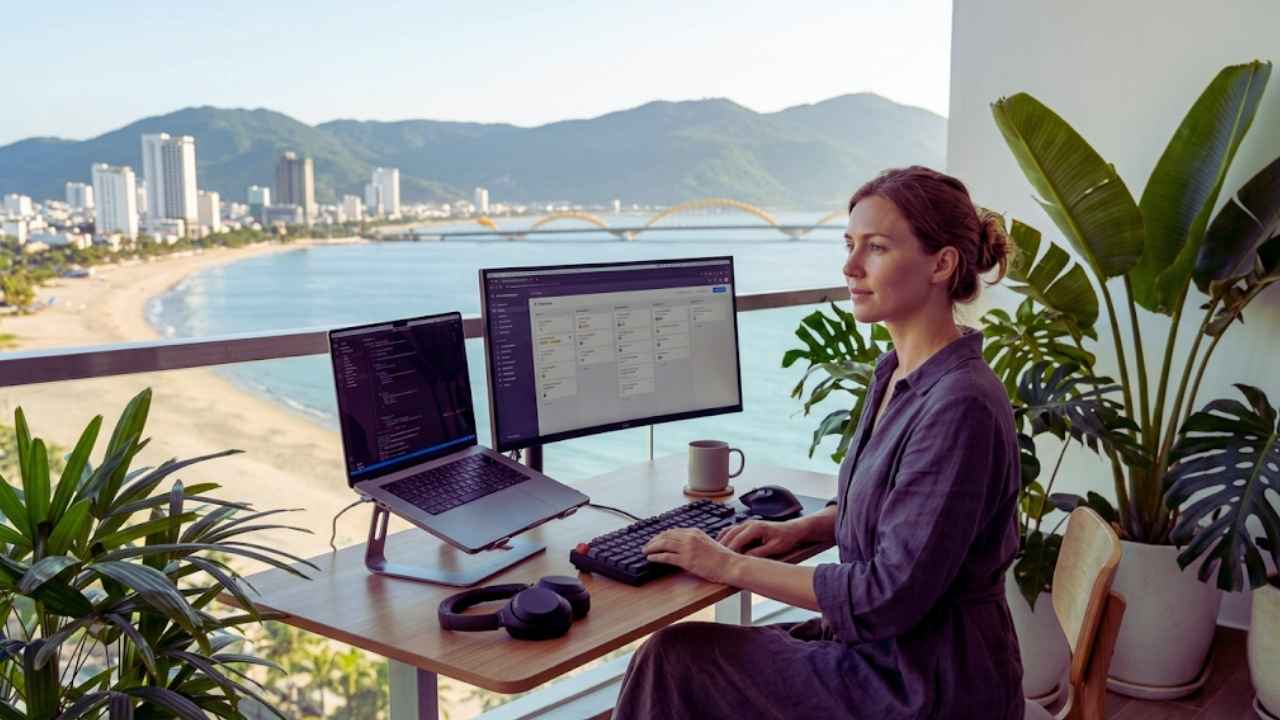
Choosing the right home base dictates your daily routine, your travel budget, and the kind of professional community you build. The map of popular hubs has changed drastically, with many remote workers heading toward warmer climates and emerging markets. You need a destination that balances a highly affordable cost of living with flawless internet connectivity. Safety, public transportation, and a welcoming local culture are also massive factors in your daily happiness. The cities listed below currently offer the absolute best mix of professional infrastructure and incredible lifestyle perks for remote workers this year.
|
Top Destination |
Region |
Main Draw for Remote Workers |
|
Medellin |
Colombia |
Perfect weather, cheap luxury apartments, and a thriving expat network. |
|
Nairobi |
Kenya |
Fast mobile internet, booming tech scene, and access to wildlife safaris. |
|
Da Nang |
Vietnam |
Incredibly low cost of living paired with beautiful, safe beaches. |
|
Lisbon |
Portugal |
Established community, easy visa access, and a massive startup culture. |
|
Budapest |
Hungary |
European lifestyle and architecture at half the price of London or Paris. |
|
Tokyo |
Japan |
Flawless infrastructure, supreme safety, and an incredible food scene. |
|
Canggu |
Indonesia |
The ultimate historic nomad hub packed with cafes and wellness retreats. |
The Global South Boom
Remote workers are looking beyond traditional hubs and flocking to the Global South for better value. Colombia continues to draw crowds with its affordable living costs and near-perfect climate. Kenya is emerging as a premier destination in Africa for digital workers and entrepreneurs. Nairobi offers a thriving tech scene, great mobile internet, and amazing access to wildlife. The Philippines and Vietnam are also rising stars, offering welcoming locals and beautiful landscapes. These countries provide a fantastic quality of life at a fraction of the cost of Western nations. This makes them perfect for new freelancers who are still building their client base.
European Staples
Europe remains a massive magnet for digital nomads because of its rich history and amazing public transit. Portugal and Spain consistently rank at the top of the list year after year. Both countries offer established visa programs, incredible food, and deep professional communities. Cities like Lisbon, Porto, and Barcelona have entire neighborhoods dedicated to remote workers. Hungary is a top choice for those seeking a more affordable European experience. Budapest boasts stunning architecture, thermal baths, and a booming cafe culture. The city features lightning-fast internet, making it a highly inspiring place to set up your laptop.
Asia-Pacific Hotspots
Southeast Asia is the historic birthplace of this movement and it remains heavily relevant today. Bali continues to be a massive hub, particularly coastal areas like Canggu. The island offers an unmatched density of coworking spaces and networking events. You do need to budget carefully as the rising costs are pushing out budget travelers. Japan recently became highly sought-after after launching a formal visa program for remote workers. Cities like Tokyo and Fukuoka offer unparalleled safety and flawless public infrastructure. While Japan is expensive, the cultural immersion makes it a top-tier choice for established professionals.
Setting Up a Bulletproof Remote Workspace
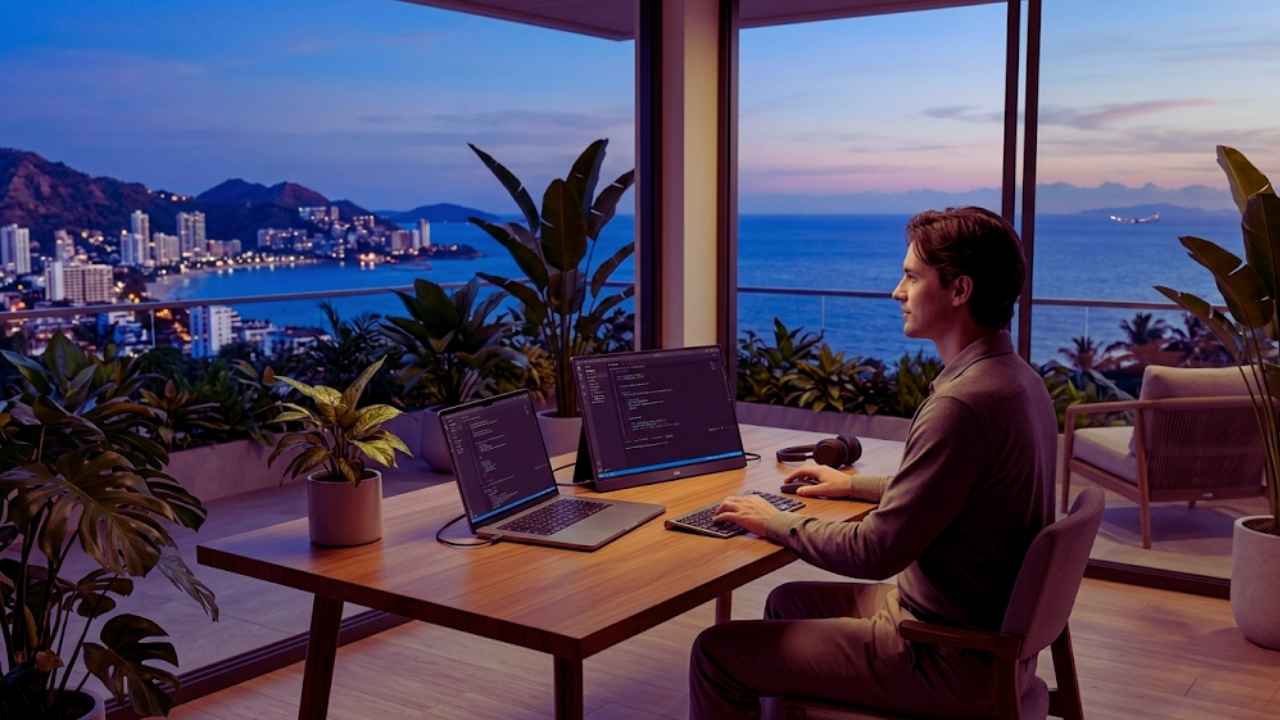
Your technology setup is the absolute core of your income when you decide how to work remotely from anywhere. A dropped client video call or a stolen device can sideline your freelance business in a matter of hours. Building a highly secure, redundant workspace guarantees you can deliver excellent results from a tropical island or a noisy cafe. You need backup internet plans, ergonomic hardware to save your back, and military-grade cybersecurity. Investing in high-quality tech gear upfront pays off massively when you avoid lost client deals and hacked bank accounts on the road.
|
Tech Component |
Essential Recommendation |
|
Primary Internet |
Always demand a speed test screenshot from Airbnb hosts before booking. |
|
Backup Internet |
Carry an unlocked phone with a local data eSIM for instant tethering. |
|
Cybersecurity |
Use a paid premium VPN to encrypt all traffic on public cafe networks. |
|
Ergonomics |
Pack an aluminum laptop stand, a wireless mouse, and a Bluetooth keyboard. |
|
Audio Gear |
Invest in high-end noise-canceling headphones with a good microphone. |
|
Data Protection |
Keep a rugged, waterproof solid-state drive for offline file backups. |
|
Power Supply |
Bring a universal travel adapter with multiple fast-charging USB-C ports. |
Internet Connectivity and Backup Systems
When you work on the road, your internet connection is your absolute professional lifeline. You cannot miss a client deadline because the cafe Wi-Fi suddenly died. Never assume a destination has reliable internet just because the building looks modern. Always verify it by asking your apartment host to send a screenshot of a recent speed test. You must also carry backup connectivity at all times to prevent disasters. Travel eSIMs are essential in 2026, letting you connect to local cellular networks instantly. Carry a dedicated portable Wi-Fi hotspot and make sure your phone can tether data.
Cybersecurity and Protecting Your Devices
Working from public networks in cafes and airports exposes you to huge cybersecurity risks. You have to treat your digital security with the same care as your physical passport. Never connect to a public network without routing your traffic through a high-quality virtual private network. Enable two-factor authentication on every single account using an authenticator app. Avoid text message verification because SIM swapping is a real threat abroad. Make sure your laptop has remote wipe capabilities enabled in the settings. If your device gets stolen, you can instantly erase all sensitive client data before someone else accesses it.
Finding the Best Coworking Spaces and Cafes
Your environment directly impacts your focus and daily output on professional projects. Working from your apartment is fine for deep focus, but getting out into the city is vital for your mental health. Coworking spaces have evolved and now offer guaranteed fast internet and ergonomic chairs. They also provide soundproof booths for calls and instant access to a professional community. If you prefer cafes, practice good etiquette so you do not annoy the staff. Choose places that actively welcome laptop workers and buy food regularly to support the business. Avoid taking up large tables during busy lunch rushes.
Maintaining Productivity and Work-Life Balance
Without a manager looking over your shoulder, it is incredibly easy to let work completely take over your evenings and weekends. The lack of a daily commute blurs the lines between your professional duties and your personal adventures. Setting strict boundaries and healthy routines keeps you focused and prevents travel burnout. You have to master time zone math to communicate effectively with your clients back home. Most importantly, you have to be highly proactive about making friends to fight off the deep isolation that comes with constant travel. Finding your rhythm on the road is the secret to sustaining this lifestyle for years.
|
Balance Strategy |
How to Implement It Effectively |
|
Time Zone Rules |
Use asynchronous video updates instead of demanding 3 AM live meetings. |
|
Hard Stops |
Set an alarm to physically close your laptop and end the workday. |
|
Slow Travel |
Stay in one city for at least 30 days to avoid transit exhaustion. |
|
Morning Routine |
Work out or walk outside for 20 minutes before opening your email. |
|
Social Outreach |
Join Facebook expat groups and attend weekly networking meetups. |
|
Coliving Spaces |
Rent a room in a specialized house to instantly meet other remote workers. |
|
Weekend Bans |
Absolutely refuse to check work emails or messages on Saturdays and Sundays. |
Mastering Time Zones While Traveling
One of the hardest parts of learning how to work remotely from anywhere is managing massive time zone differences. If your team is in New York and you are in Tokyo, the overlap in working hours is incredibly slim. You have to shift toward asynchronous communication immediately to survive. Rely heavily on project management tools, recorded video updates, and detailed written briefs. Avoid demanding real-time meetings unless it is an absolute emergency. When meetings are unavoidable, establish clear boundaries with your team. Decide how late you are willing to work, and communicate those boundaries firmly.
Creating a Healthy Routine and Beating Burnout
Moving to a new city every single week is exhausting and destroys your productivity completely. Embrace the concept of slow travel instead to maintain your sanity. Staying in one location for one to three months allows you to build a healthy routine. You get time to discover the best local food spots and actually get your work done without stressing over train schedules. Set clear start and finish times for your workday just like a normal office job. Incorporate physical exercise into your morning routine, whether that means going for a run or doing yoga.
Building Community and Avoiding Isolation
Loneliness is the unspoken epidemic of the digital nomad lifestyle. Constantly saying goodbye to new friends and starting over in unfamiliar cities takes a heavy emotional toll. You must be incredibly proactive about building your social circle everywhere you go. Join local expat groups on social media before you even arrive in a new city. Attend language exchange meetups, cooking classes, and professional networking events to meet locals. Consider staying in coliving spaces during your first month in a new country. These buildings offer private bedrooms but shared living areas and kitchens.
Essential Packing List for Remote Workers
Living out of a suitcase requires you to be ruthless about what you carry across the globe. Every single item in your travel bag must serve a specific purpose because dragging heavy luggage through train stations gets old fast. This checklist covers the absolute essentials you need to stay productive and comfortable on the road. Packing smartly means prioritizing multi-use clothing, compressing your gear, and protecting your most valuable tech assets. By adopting a minimalist approach, you reduce travel anxiety and ensure you only carry things that actively improve your daily life.
|
Packing Category |
Must-Have Travel Items |
|
Luggage |
One durable, hardshell carry-on suitcase and a comfortable daypack. |
|
Clothing |
Wrinkle-resistant, quick-drying layers in neutral colors for easy mixing. |
|
Organization |
Compression packing cubes to maximize space and separate dirty laundry. |
|
Tech Protection |
A padded, water-resistant tech pouch to organize all your messy cables. |
|
Documents |
A physical, waterproof folder holding backup copies of your passport and visa. |
|
Health & Safety |
A digital thermometer, basic first aid kit, and an emergency whistle. |
|
Hydration |
A collapsible, filtered water bottle to avoid buying plastic bottles constantly. |
Tech Essentials
Invest in the best gear you can reasonably carry on an airplane. A lightweight, powerful laptop with excellent battery life is completely non-negotiable for this lifestyle. Bring a portable external monitor to recreate a dual-screen office setup anywhere in the world. A reliable travel adapter with multiple modern charging ports allows you to power all your devices from a single outlet. Pack a compact, ergonomic laptop stand and a separate wireless keyboard. This setup saves your neck and spine from the strain of hunching over a tiny screen all day long.
Travel Essentials for Long-Term Nomads
When everything you own must fit into a single suitcase, packing requires ruthless prioritization. Every item needs to serve a specific purpose, and heavy items simply get left behind. Embrace a minimalist wardrobe made up of high-quality, versatile layers that can be mixed and matched. Choose fabrics that are lightweight, wrinkle-resistant, and quick-drying so you can wash them in a hotel sink. Use compression packing cubes to keep your luggage organized and save space. Bring a dedicated tech pouch to manage the inevitable tangle of charging cables and adapters.
Final Thoughts
Figuring out how to work remotely from anywhere is a learning process, but the freedom it provides is absolutely worth the effort. The tools, visas, and infrastructure available in 2026 make this lifestyle more accessible and secure than ever before.
If you take the time to set up your legal compliance, invest in solid tech gear, and choose destinations that match your budget, you can build an incredible career on your own terms. Start small, test the waters with a short trip, and give yourself permission to design a life that truly excites you.
Frequently Asked Questions (FAQs) About Digital Nomad Guide 2026
What is the 183-day tax rule for remote workers?
The 183-day rule is a common tax law used by many countries to determine your tax residency. If you spend 183 days or more in a single country during a calendar year, you are generally considered a tax resident and owe income taxes there. You must track your days carefully to avoid surprise tax bills from foreign governments.
Do I need a work visa to work remotely from another country?
If you are working for clients or a company outside the country you are visiting, a standard tourist visa used to be enough. However, laws are changing rapidly. You now usually need a specific digital nomad visa to stay longer than three months legally without facing fines or deportation.
Can my employer track my location if I travel secretly?
Yes, your employer can easily track your physical location. Corporate security software monitors the IP addresses you use to log into company servers. If you log in from an unauthorized country, it flags your account for security risks and alerts the IT department immediately.
How do I handle banking two-factor authentication without a home phone number?
Getting locked out of your bank account while abroad is a nightmare. Before leaving, switch your two-factor authentication from text messages to an authenticator app like Google Authenticator. If your bank requires a phone number, use a cloud-based phone service that receives texts over Wi-Fi.
Is it hard to maintain relationships while traveling full-time?
Maintaining relationships takes significant effort when you cross time zones constantly. You have to schedule video calls with friends and family back home just like you schedule business meetings. Dating on the road is also difficult because you are always moving, which is why many nomads date within the expat community.